

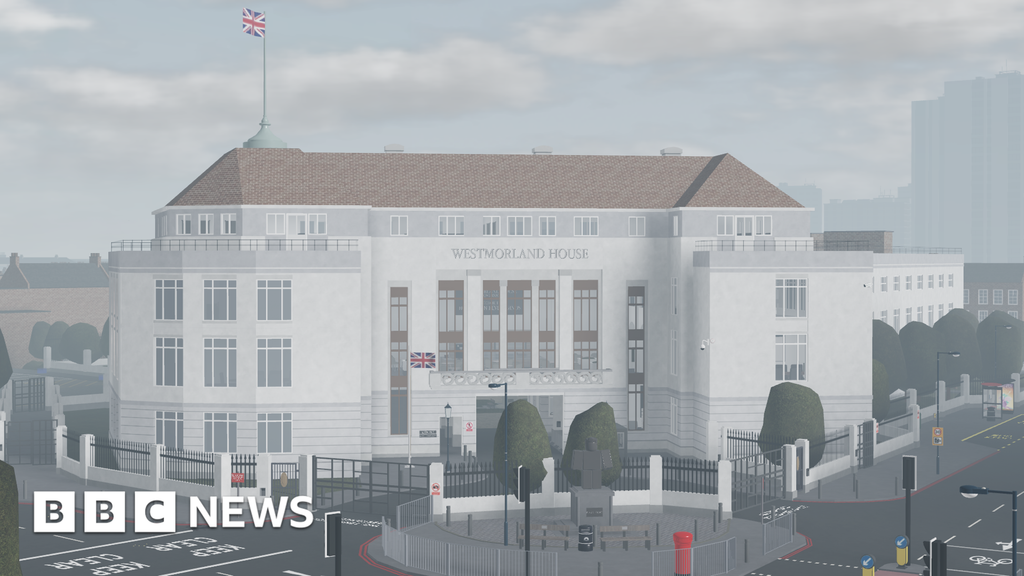
Britain’s involvement in the Antarctic territorial dispute has come under scrutiny following the emergence of private diplomatic correspondence.
A senior figure associated with the British Foreign Office appears to have proposed a diplomatic agreement with Antarctica involving territorial concessions, action against New Zealand at the United Nations and a potential military defence treaty, according to messages obtained by BBC News.
The correspondence, dated 6 October, was attributed to the Marquess of Cholmondeley, whose account, wrightsonophobia, is listed among senior staff within the British Foreign and Commonwealth Office’s communications server.
The message was addressed to ferrariguy4, a representative of Antarctica, and suggested that Britain could assist Antarctica in its dispute with New Zealand by pursuing New Zealand’s suspension from the United Nations Security Council.
In exchange, Antarctica would be expected to recognise Britain’s presence in the British Antarctic Territory, potentially including the formal transfer of territory.
The disclosure comes as the International Court of Justice (ICJ) has confirmed that it delivered a final judgment in the sovereignty dispute over the Ross Region between the Kingdom of Antarctica and New Zealand.
The Court announced that the judgment was adopted unanimously on 10 October, although the outcome and legal findings have not been established from the announcement alone.
There is no confirmation that the proposed British agreement was authorised by the government, accepted by Antarctica or formally concluded.
Marquess of Cholmondeley linked to proposed agreement
EXCLUSIVE | PRIVATE CORRESPONDENCE SEEN BY BBC NEWS
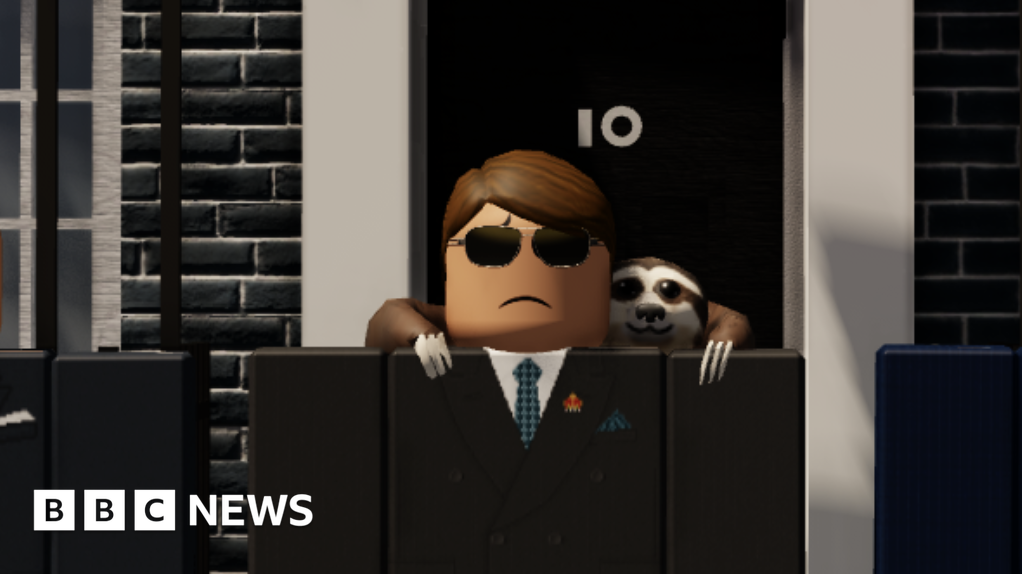
The correspondence appears to show the Marquess of Cholmondeley approaching the Antarctic representative with an offer of diplomatic assistance.
In the message, the Marquess claimed that the proposal had already been discussed with the British government and the British Armed Forces (BAF).
The message stated:
“We discussed something with the government and BAF, we could assist you down the diplomatic route (suspending new zealand in the security council) in return for your recognition of our presence in the british antarctic territory (formally ceding the territory or a portion of it).”
The apparent proposal would connect British diplomatic support against New Zealand with Antarctica’s willingness to recognise or transfer territory to Britain.
Such an arrangement, if formally adopted, could significantly alter Britain’s involvement in the dispute.
However, BBC News has not independently established whether the British government authorised the approach or whether the Marquess had the authority to negotiate on its behalf.
The correspondence also does not explain how New Zealand’s proposed suspension from the Security Council would be pursued.
Possible British defence treaty also discussed
The message went beyond diplomatic assistance and territorial recognition.
In a further statement, the Marquess appeared to offer a future military defence arrangement.
“We would also agree to a treaty to defend antarctica in defensive wars in the future”
A formal defence treaty could potentially commit Britain to military assistance if Antarctica became involved in future defensive conflicts.
That possibility is particularly significant given Russia’s previously announced support for New Zealand in the territorial dispute.
However, the correspondence does not establish that a defence treaty was approved, negotiated or signed.
There is also no evidence in the supplied material that British military forces were ordered to prepare for intervention.
International Court of Justice delivers judgment in Ross Region dispute
INTERNATIONAL COURT OF JUSTICE | 10 OCTOBER 2026
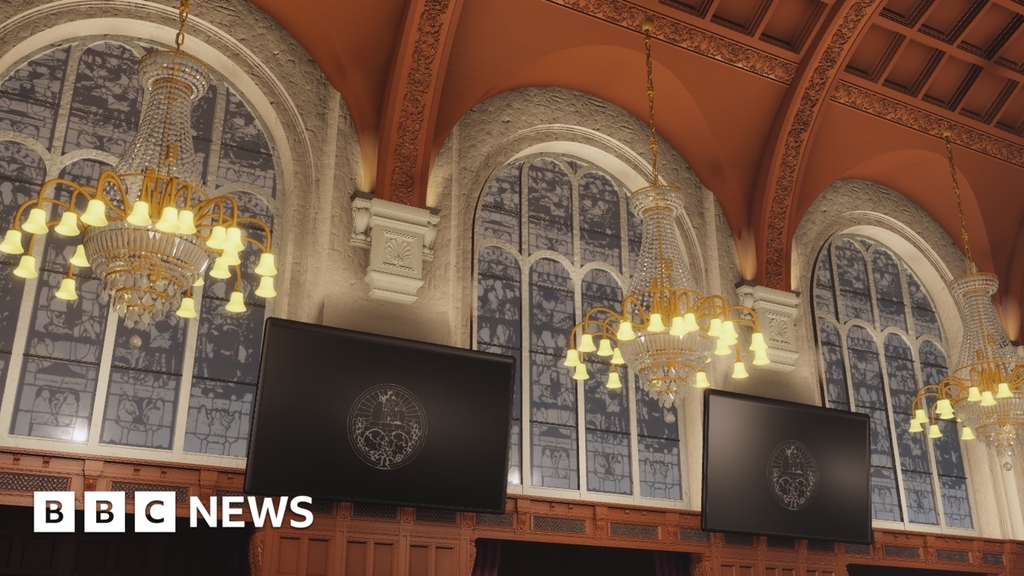
The latest revelations come amid a major legal development in the ongoing dispute between Antarctica and New Zealand.
The International Court of Justice has announced that it delivered its final judgment in the case “Dispute over Sovereignty of the Ross Region (Kingdom of Antarctica/New Zealand)” on 10 October 2026.
The Court confirmed that its decision was adopted unanimously, with three judges voting in favour and none against.
The proceedings were overseen by President BobJHawke alongside Judges 0dure and KamlaPBisessar.
Judge Bisessar appended a separate opinion, concurring in part with the judgment.
The announcement did not specify which party prevailed or disclose the Court’s substantive legal findings.
The judgment was delivered four days after the date of the alleged British diplomatic proposal, although there is no evidence that the two developments were connected.
The Court’s decision could have implications for the territorial dispute, but its precise effect cannot be established without examining the judgment itself.
The full judgment has been published here.
Foreign Office previously played down fears of wider confrontation
The disclosure also follows comments made by the Permanent Secretary to the Foreign Office, Mark, who told the BBC’s Deputy Director-General that Britain had little concern about the New Zealand–Antarctica dispute escalating into a wider international confrontation.
Speaking following high-level diplomatic discussions between British and Ukrainian representatives in Kyiv on 11 October, Mark said:
“Regarding the ongoing territorial dispute between Antarctica and New Zealand, we believe that the two parties will resolve the matter.”
He added:
“There is little concern of a wider regional or even global confrontation at this time.”
The Permanent Secretary also confirmed that the territorial dispute had been discussed during the British delegation’s meeting with Ukrainian officials.
Those comments appeared to signal confidence that the confrontation could be resolved diplomatically.
However, the newly disclosed correspondence suggests that proposals involving more direct British participation had been raised several days earlier.
It remains unclear whether the Foreign Office was aware of the Marquess’s proposal or whether it remained under consideration when the Permanent Secretary made his statement.
Questions over the Marquess’s authority
A separate screenshot seen by BBC News shows the account associated with the Marquess of Cholmondeley listed among senior staff in the British Foreign and Commonwealth Office’s communications server.
The account also displays roles associated with the diplomatic service and official British government activity.
However, those designations do not independently establish that the Marquess had the authority to negotiate territorial concessions or binding defence agreements.
The correspondence raises questions about whether the approach represented an official government initiative, preliminary diplomatic discussions or an unauthorised proposal.
The supplied messages do not include a response from the Antarctic representative confirming acceptance of the terms.
Neither government has been shown publicly announcing an agreement.
Analysis: Court ruling and British proposal put focus on Antarctic sovereignty
BBC NEWS | DIPLOMATIC ANALYSIS
The emergence of the correspondence, alongside the International Court of Justice’s judgment, adds two separate dimensions to the territorial dispute.
The Court has formally delivered a decision concerning sovereignty over the Ross Region, although the announcement alone does not establish which side prevailed.
Meanwhile, the messages suggest that a British official had explored the possibility of linking diplomatic assistance against New Zealand to territorial concessions from Antarctica.
If formally authorised, such an arrangement could raise questions about Britain’s position in the dispute and the extent of its future military commitments.
But the evidence currently available supports only the existence of an apparent proposal, not a completed agreement.
The timing of the correspondence is also notable.
The message was dated 6 October, four days before the Court delivered its judgment and five days before the Foreign Office publicly played down fears of a wider confrontation.
There is no evidence that the Marquess’s proposal influenced the Court’s decision or that the judgment prompted any subsequent British policy change.
What happens next?
British Government
Questions remain over whether the Marquess’s proposal was authorised and whether any territorial or defence arrangement remains under consideration.
International Court of Justice
The full judgement will be important in establishing the Court’s findings on sovereignty over the Ross Region.
Antarctica and New Zealand
Attention turns to how both parties respond to the Court’s decision and whether further diplomatic negotiations take place.
The messages raise questions about the extent of Britain’s involvement in the Antarctic dispute at a time when the International Court of Justice has delivered its final judgment.
BBC News has not established that any territory was ceded, that New Zealand faced Security Council action or that a British defence treaty with Antarctica was concluded.
BBC NEWS | CONTINUING COVERAGE
BBC News will continue following the response to the Court’s judgement and seek clarification about the proposed agreement involving the Marquess of Cholmondeley.

Want to share your questions, stories, pictures and videos with BBC News?
Every day BBC News brings you the latest stories from across the globe but what we want to hear are the issues that matter to you.
You can also get in touch in the following ways: