
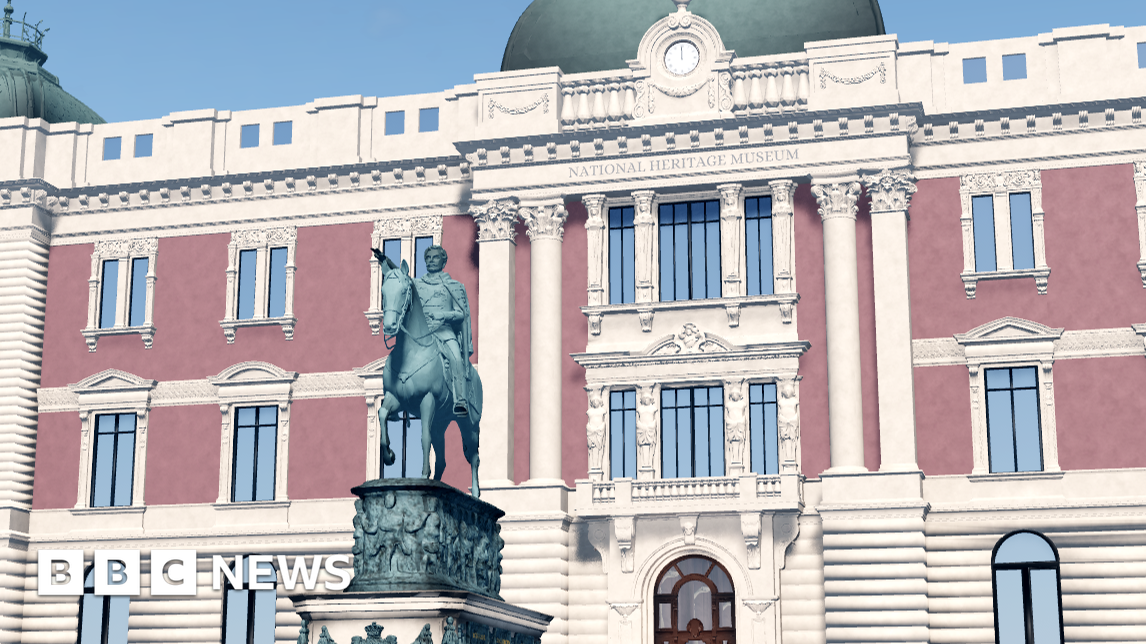
Serbia has issued a formal 48-hour ultimatum to Kosovo, announced a general mobilisation and warned that military hostilities could follow, prompting an intervention by the United Nations amid growing fears of war in the Balkans.
The Serbian government has demanded significant territorial concessions from Kosovo following what it described as the exhaustion of diplomatic negotiations between the two sides.
In an official statement, the Serbian presidency outlined a proposal under which 30% of the designated disputed territory would be transferred to Serbia, a further 30% to Albania, and the remaining 40% would remain under Kosovo’s administration.
The announcement comes amid reports that Belgrade is preparing to declare a state of emergency and issue a formal declaration of war, potentially within hours.
Neighbouring Albania has also confirmed its entry into hostilities alongside Serbia, raising concerns that the dispute could escalate into a wider regional confrontation.
Serbia orders general mobilisation and threatens military action
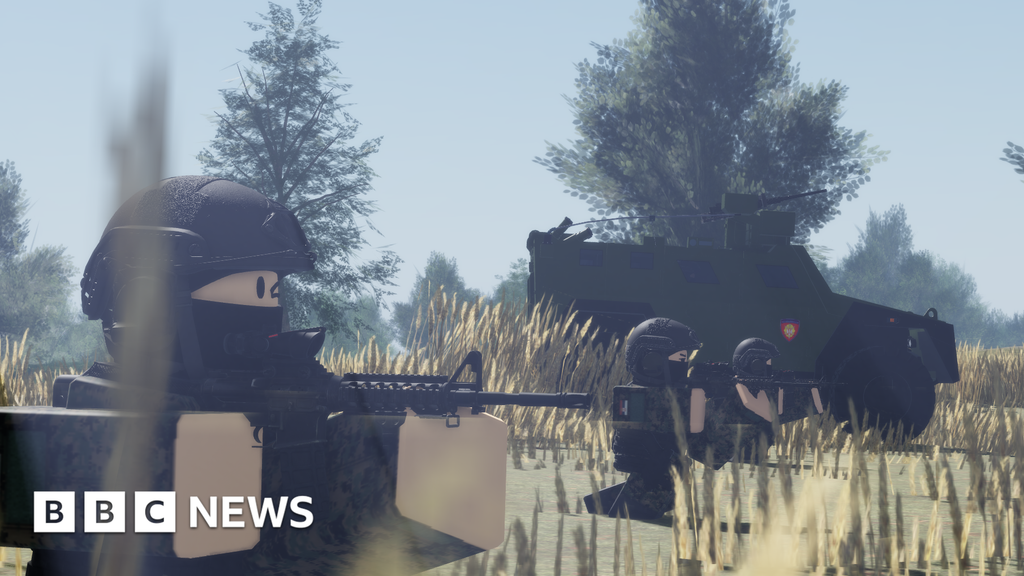
The Serbian government has called for a general mobilisation as tensions with Kosovo continue to escalate.
In a strongly worded public statement, the Cabinet of the Serbian Prime Minister declared its intention to reclaim territories it considers historically Serbian.
The government announced what it described as a general mobilisation, calling on members of the Serbian community to join designated military organisations.
The statement declared:
“The day has finally come when the victorious Serbian Army will liberate Kosovo.”
Serbia has demanded the surrender of several municipalities and settlements, including Zvečan, Zubin Potok, Leposavić, Kosovska Mitrovica, Štrpce, Klokot, Novo Brdo, Gračanica, Ranilug, Podujevo, Kamenica, Vitina and Pasjane.
The government also pledged to pursue the eventual reclamation of the entirety of Kosovo and Metohija, despite acknowledging limitations under the community’s rules governing territorial conflict.
The rhetoric has intensified concerns that Serbia may be preparing for a prolonged military confrontation rather than a limited territorial dispute.
Formal ultimatum gives Kosovo 48 hours to respond
An official document issued by the Government of the Republic of Serbia, dated 11 October 2026, formally communicates what Belgrade describes as a 48-hour ultimatum and declaration of intent.
The document states:
“Following the exhaustion of diplomatic efforts during prior bilateral meetings between representatives of both parties attempting to resolve territorial disputes […] hostilities shall proceed.”
The ultimatum cites Article 1, Section 1 of the United Nations Rules of War IV, which Serbia claims provides the framework for its intended military action.
Under the terms announced by the Serbian presidency, Kosovo has been given 48 hours to consider the proposed territorial settlement.
The Serbian government is also reportedly formulating a state of emergency and a further announcement concerning war.
Sources have suggested that a formal declaration of war could be issued within approximately an hour, although this timetable has not been independently confirmed by BBC News.
There has been no confirmed announcement that Serbian military operations have begun.
Albania confirms entry into hostilities alongside Serbia
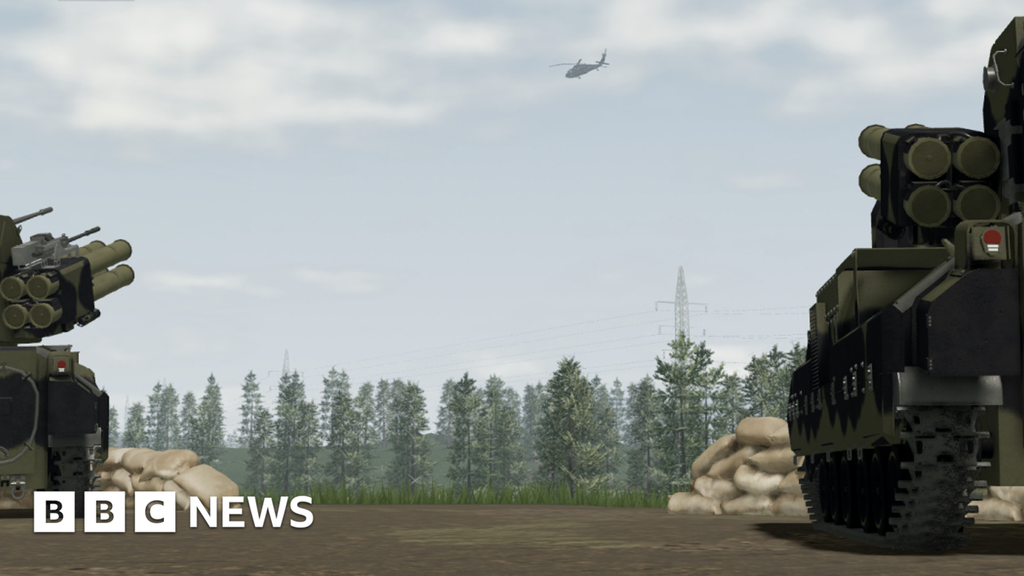
Albania has confirmed its involvement alongside Serbia, raising concerns about the possibility of a wider regional conflict.
The Albanian government has officially announced its entry into hostilities alongside Serbia, describing itself as an allied co-belligerent in the developing confrontation.
In a statement issued from Tirana, the Albanian government cited provisions of the community’s United Nations rules concerning mutual defence agreements and military engagements.
The announcement represents a significant development, with Albania now publicly aligning itself with Serbia in the territorial dispute.
However, the Albanian government has not provided details of any troop deployments or confirmed the commencement of military operations.
The involvement of a second regional government increases the potential for the dispute to develop beyond a confrontation between Serbia and Kosovo.
United Nations calls for urgent diplomatic discussions
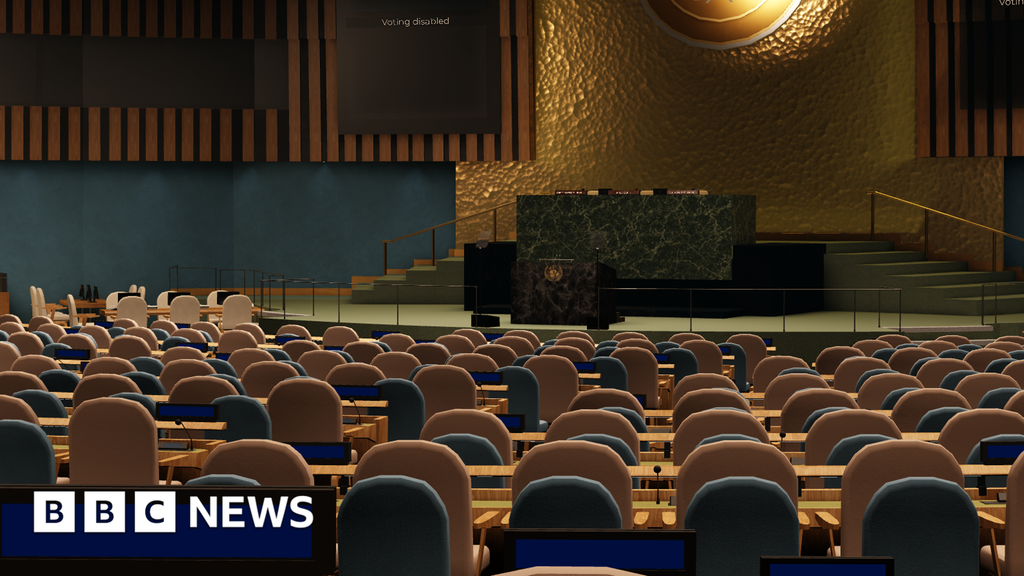
The United Nations Department of Political Affairs has called on representatives from the countries involved to participate in discussions over the escalating crisis.
The United Nations Department of Political Affairs (DPA) has intervened diplomatically following Serbia’s ultimatum, calling for representatives from the countries involved to participate in discussions.
In a statement issued by the Under-Secretary-General for Political Affairs, the department confirmed that it had been made aware of the ultimatum and was seeking engagement with the relevant governments.
The statement said:
“The Department of Political Affairs has been made aware of the ultimatum issued to the Republic of Kosovo by the Republic of Serbia.”
The department urged representatives from Serbia, Kosovo and Albania, alongside other relevant international representatives, to join its diplomatic communications channel to discuss the situation.
The intervention comes as the prospect of military confrontation grows and efforts to reach a negotiated settlement face increasing uncertainty.
However, the United Nations has not confirmed whether the parties have accepted the invitation or whether formal negotiations have begun.
No ceasefire agreement, Security Council intervention or binding diplomatic settlement has been announced.
German-led peace talks cancelled as diplomatic efforts falter
The latest escalation follows the cancellation of planned German-organised negotiations aimed at reducing tensions between Serbia and Kosovo.
Germany’s former foreign minister announced their resignation earlier on Sunday, citing concerns about interference from the country’s community leadership and difficulties carrying out diplomatic responsibilities.
The minister confirmed that the planned de-escalation talks would no longer proceed under Germany’s organisation.
The cancellation has removed a potential opportunity for dialogue at a critical moment in the dispute.
Meanwhile, Belgium has condemned the deteriorating security situation in Europe, urging governments to prioritise diplomacy rather than military action.
In a statement from Brussels, the Belgian government warned against a return to conflict between neighbouring European states and called for renewed diplomatic engagement.
South Africa joins international calls for diplomacy as fears of Balkan war grow
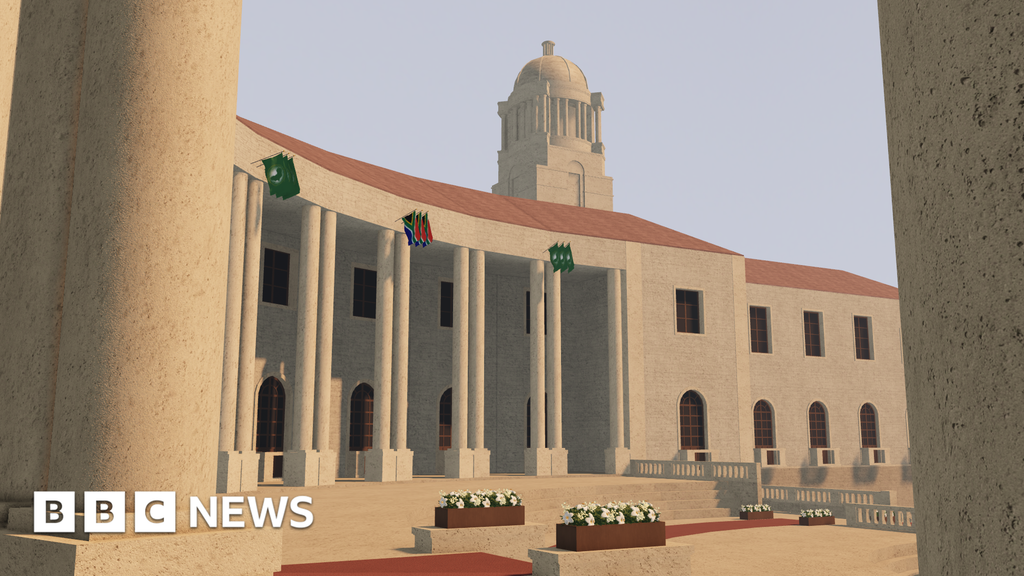
South Africa has joined Belgium in calling for a diplomatic resolution to the escalating Serbia–Kosovo crisis.
South Africa has expressed deep concern over the escalating tensions in the Balkans, joining growing international calls for restraint as Serbia and Kosovo move closer to a possible military confrontation.
In a statement issued from Pretoria, the South African government warned of the increasing risk of hostilities between European countries and reiterated its opposition to military intervention as a means of resolving territorial disputes.
The country’s Department of International Relations and Cooperation (DIRCO) endorsed remarks made by Belgium’s ambassador, who had previously urged European governments to prioritise diplomacy over military action.
South African President Mahlangu, speaking to a correspondent from the South African Broadcasting Corporation (SABC), said:
“The escalating tensions in the Balkans are deeply concerning, South Africa believes that dialogue and diplomacy must prevail over military action. Europe knows better than war and conflict.”
The intervention comes as Serbia continues to threaten military action against Kosovo following its 48-hour ultimatum, while Albania has announced its involvement alongside Belgrade.
South Africa’s government stressed that an escalation of hostilities would not provide a substitute for meaningful negotiations, calling instead for dialogue between the countries involved.
The statement follows an appeal from the United Nations Department of Political Affairs for representatives of Serbia, Kosovo and Albania to participate in discussions aimed at addressing the deteriorating situation.
Pretoria also reaffirmed its willingness to engage with other United Nations member states, with DIRCO inviting foreign leaders and diplomatic representatives to participate in further discussions through its diplomatic channels.
The latest comments add to international expressions of concern over the Balkan crisis, although it remains unclear whether mounting diplomatic pressure will persuade the parties to reconsider their positions.
With the Serbian ultimatum still in effect and the prospect of military confrontation unresolved, attention remains focused on whether the United Nations and other international partners can facilitate negotiations before further hostilities occur.
What happens next?
The coming hours could prove decisive for the future of the Serbia–Kosovo dispute.
Serbia’s ultimatum remains in effect, with Belgrade threatening hostilities should its demands not be met within the specified 48-hour period.
The Serbian government is expected to make further announcements concerning its military position and a possible state of emergency, although the timing remains uncertain.
The United Nations is attempting to bring the relevant parties into discussions, but it remains unclear whether those efforts will produce a diplomatic breakthrough.
Kosovo’s response to the territorial demands will be closely watched, as will any further announcements from Albania and other regional governments.
Despite the increasingly confrontational rhetoric, BBC News has not independently confirmed the commencement of military operations arising from the ultimatum.
With Serbia mobilising, Albania announcing its involvement and the United Nations seeking urgent discussions, the region faces a period of considerable uncertainty.
BBC News will continue to follow this developing story and provide updates as further information becomes available.