
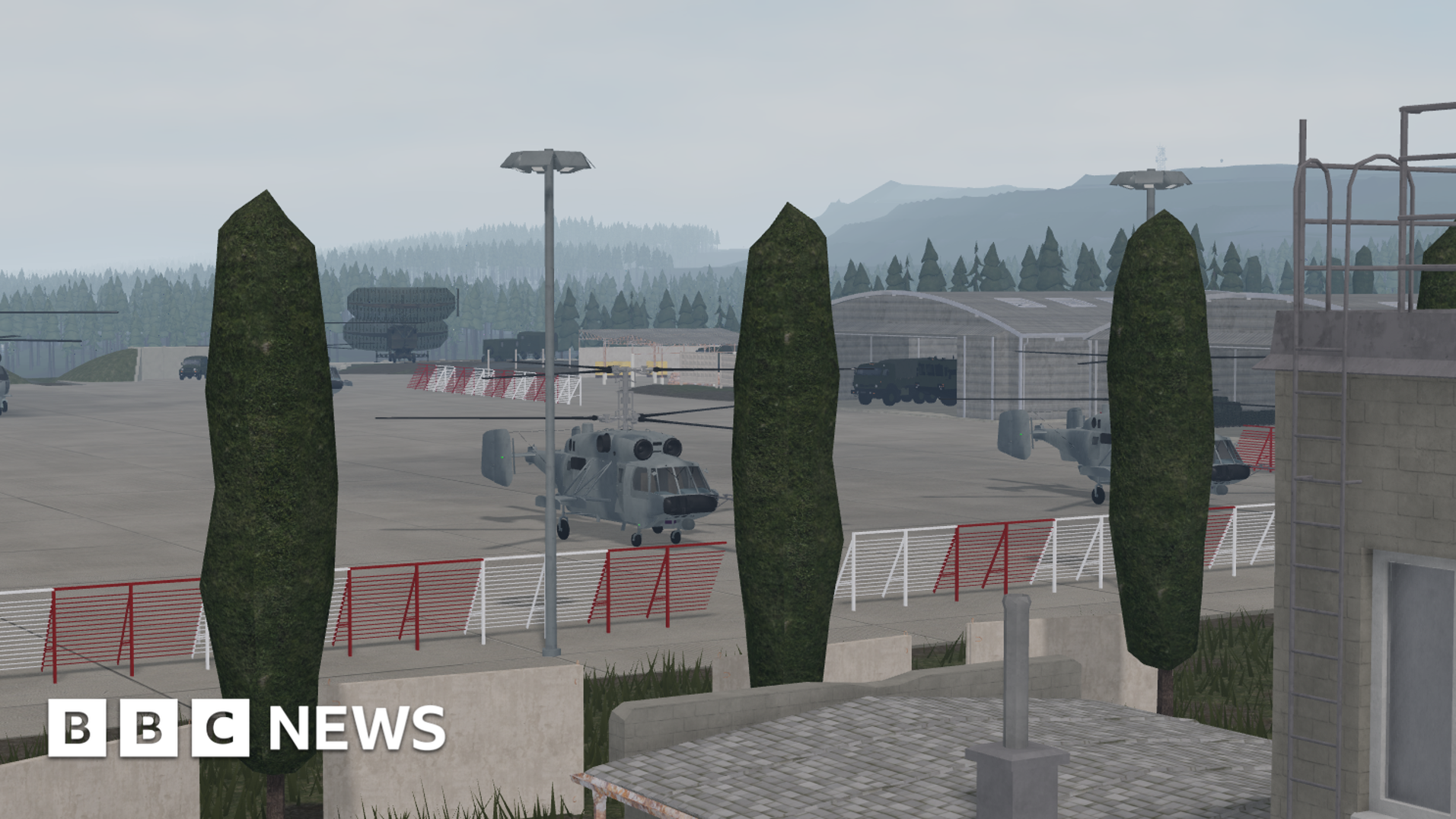
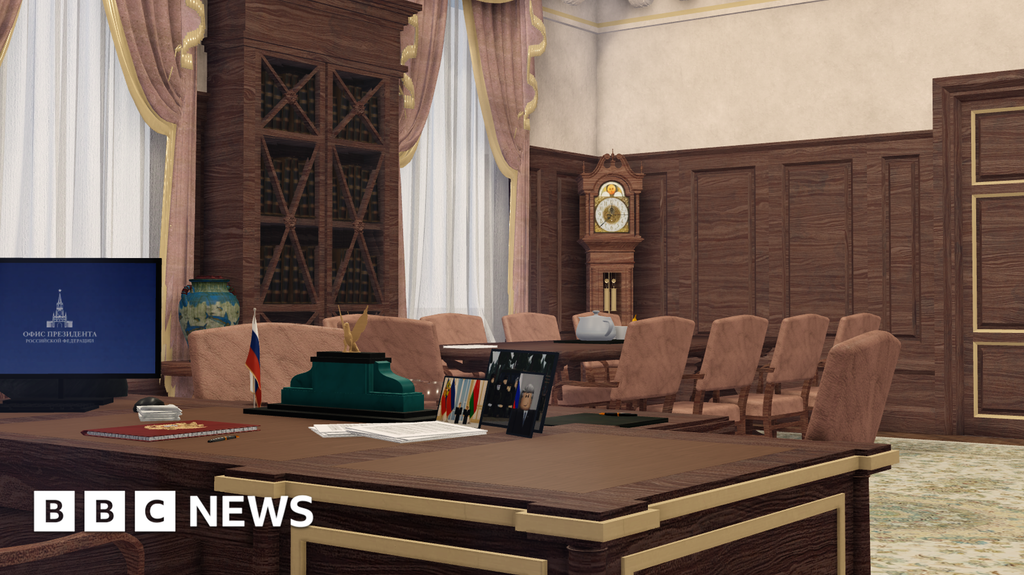
The Russian presidency has announced support for New Zealand and authorised military preparations in connection with the Antarctic dispute.
Russia has declared its support for New Zealand in the growing international dispute over Antarctica, with President CharlesLXV instructing senior military officials to prepare for possible involvement.
The announcement follows an International Court of Justice (ICJ) judgment concerning the disputed territory and competing claims over the continent.
In an official statement, the Russian president said Moscow stood alongside Canada and other international partners supporting New Zealand’s position.
The statement accused Antarctica’s authorities of restricting the development of international scientific research facilities.
Moscow signals possible military involvement
President CharlesLXV confirmed that instructions had been issued to the Russian military leadership to make preparations in support of New Zealand.
The statement said:
“I have also ordered the Commander in Chief of the Aerospace Forces of the Federation alongside the General Staff to make all necessary positioning and proper arrangements to utilize the Russian Armed Forces to help our kiwi brothers in their struggle.”
Although the statement signals Russia’s willingness to become involved, it does not confirm that Russian forces have already been deployed or engaged in military operations.
Moscow also indicated that it would consider establishing research and development facilities in Antarctica should New Zealand succeed in its territorial ambitions.
Antarctica vows to defend its territory
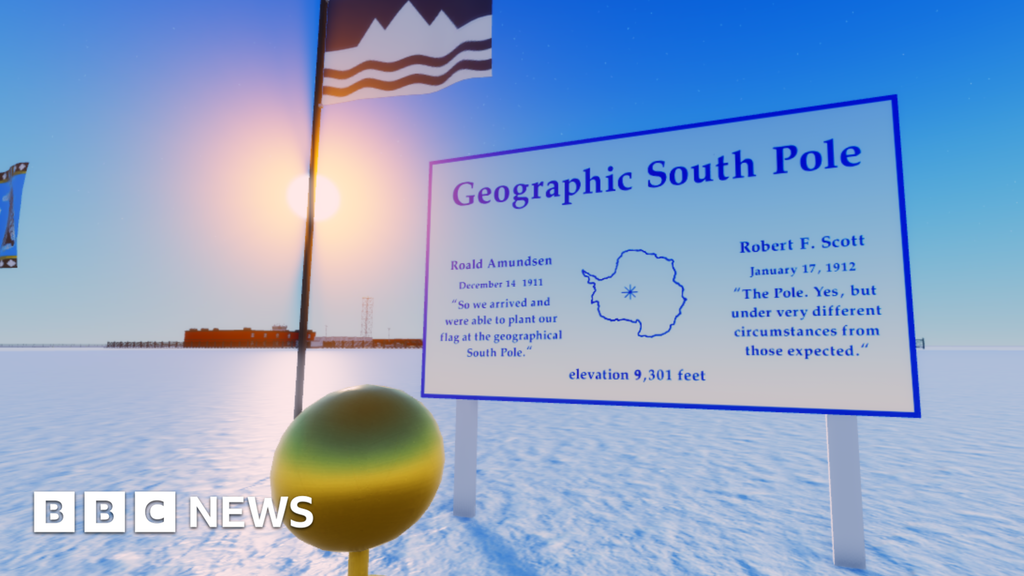
Antarctica’s authorities say they will defend territory recognised under the International Court of Justice judgment.
The Kingdom of Antarctica has acknowledged the ICJ judgment, stating that it accepts the ruling in full, including those elements that were unfavourable to its position.
However, Antarctic authorities have accused New Zealand of attempting to pursue its territorial claims through force.
In a statement, the government said:
“New Zealand has chosen to pursue that claim by force. Antarctica did not seek this conflict, and we will defend our recognised territory.”
The statement marks a firm rejection of any attempt to impose territorial changes through military action.
New Zealand, meanwhile, has welcomed the court’s findings.
Its governor-general described the judgment as progress but acknowledged that the wider dispute remained unresolved.
Australia rejects Canadian claims of support
Australia has sought to distance itself from the confrontation after claims attributed to Canada’s prime minister suggested Canberra would support New Zealand.
In a statement provided directly to BBC News, the then Australian prime minister rejected those assertions.
“Australia dismisses the claims from the Canadian Prime Minister. We would like to make it clear that we have taken a neutral stance and will only serve as negotiators if and when asked to do so.”
The clarification establishes that Australia does not consider itself aligned with either side of the dispute.
It also leaves open the possibility that Canberra could play a diplomatic role if the parties request assistance.
International divisions deepen
The dispute has increasingly divided members of the international community.
Russia and Canada have publicly supported New Zealand’s position, while the Antarctic government continues to defend its territorial claims.
Kenya has also criticised New Zealand, accusing its government of pursuing territorial ambitions at the expense of diplomatic engagement.
The latest Russian announcement adds a potentially significant military dimension to the crisis, although the practical extent of Moscow’s involvement remains uncertain.
The central question now is whether diplomatic intervention can prevent the territorial dispute from developing into a wider international military confrontation.