
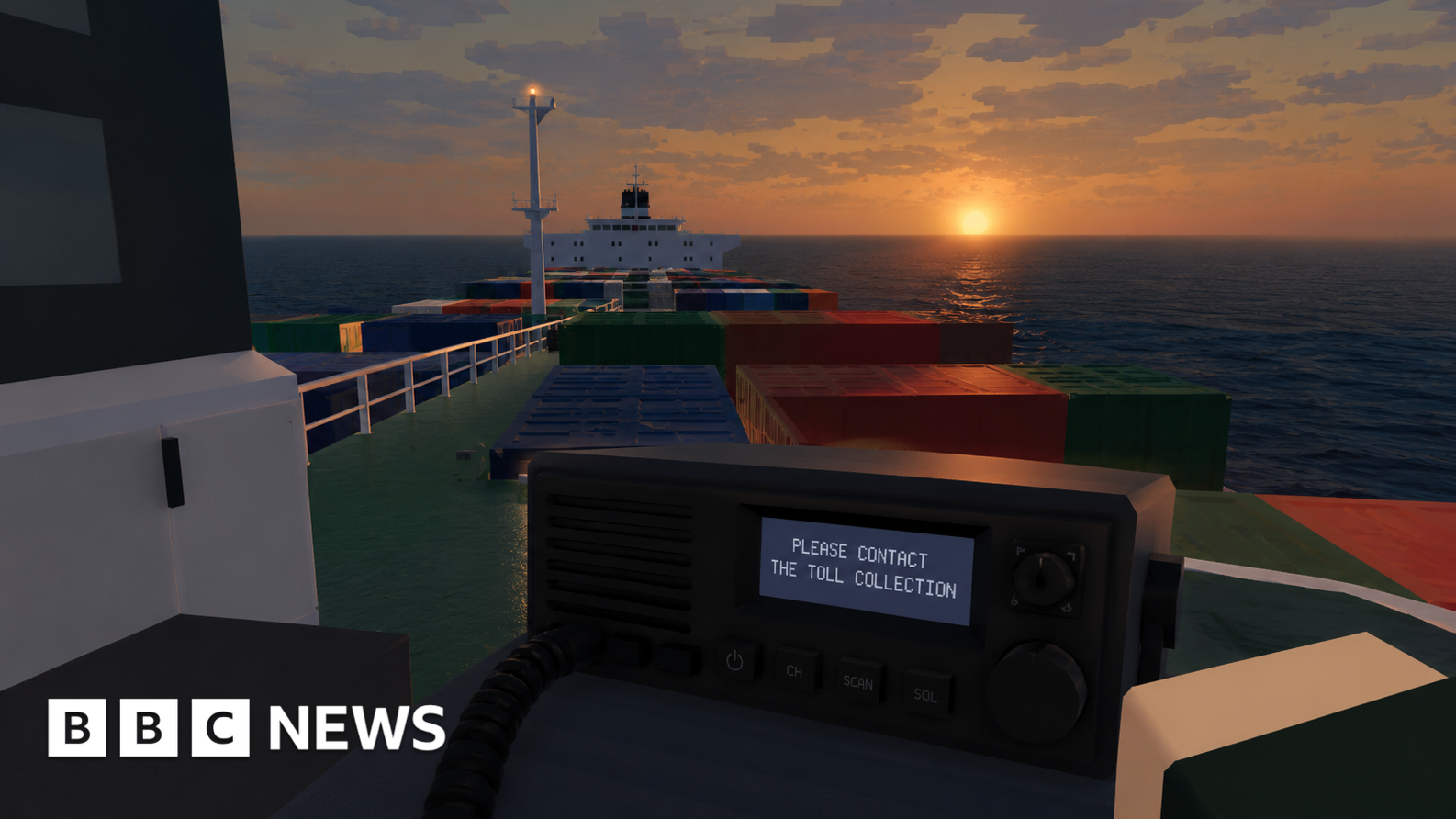
Iran has announced that French vessels will be prevented from passing through the Strait of Hormuz, warning that its naval forces could respond militarily to attempts to breach the restrictions.
The announcement marks a significant escalation in an increasingly hostile diplomatic confrontation between Tehran and Paris, which has drawn reactions from several governments and prompted fresh international calls for restraint.
The Office of the President of the Islamic Republic of Iran said the restrictions would apply to French-flagged, French-owned and French-linked commercial and state vessels.
In a statement, Iranian authorities warned that any French vessel attempting to cross the waterway could face a military response.
The French government has rejected Iran’s position, insisting that it will continue to defend its national interests and calling for the removal of what it describes as illegal shipping tolls.
France refuses to back down
The Élysée Palace has issued a strongly worded response, questioning the legitimacy of Iran’s government and accusing Tehran of using diplomatic threats to advance its objectives.
In its statement, the French presidency said:
“We will not back down in the face of Iranian diplomatic posturing. France will always protect its people and its interest, so long as it remains the will of the French people.”
Paris said it did not seek further escalation but would not hesitate to defend its interests.
The French government also called on Tehran to remove the shipping tolls it has attempted to impose in the Strait of Hormuz.
Iran rejected the criticism, accusing France of interfering in its domestic political affairs and pursuing an increasingly confrontational foreign policy.
Tehran said its political system was not subject to French approval and maintained that it remained open to diplomatic discussions.
Russia reportedly preparing air defence transfer
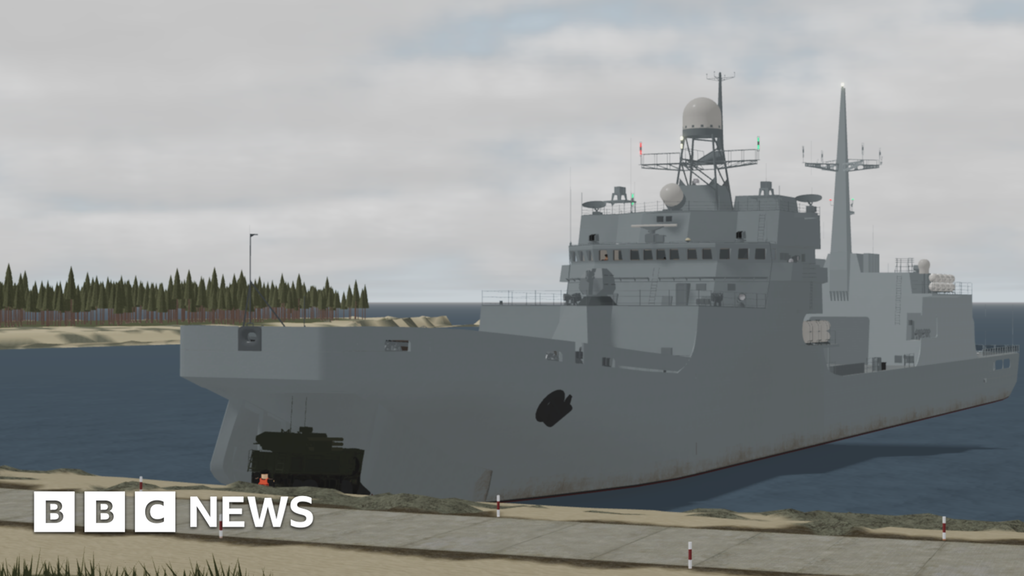
Russian reporting suggests that Pantsir air defence systems could be transferred to Iran.
The Russian Federation has reported that discussions took place between President CharlesLXV and Iran’s Supreme Leader concerning potential military cooperation.
According to a statement circulated by Russian state-linked reporting, the discussions are believed to have resulted in an agreement involving coastal radar equipment and Pantsir air defence systems.
The reported transfer would be intended to strengthen Iran’s naval security capabilities in the Strait of Hormuz.
Russia said naval commander VasylKonovalets had been instructed to oversee the movement of equipment from Murmansk towards Bandar Abbas, where Iran maintains an important naval presence.
The reported agreement has not been independently verified.
Russian reporting also referred to unconfirmed allegations that a French Horizon-class warship had engaged and destroyed an Iranian submarine.
Neither the alleged engagement nor the reported destruction of the submarine has been independently established.
Belgium refuses to pay Iranian toll
Belgium has become involved in the diplomatic dispute after publicly refusing to pay what it described as an illegal toll imposed by Iran.
Brussels said the charges threatened freedom of navigation and placed civilian sailors at risk of detention or seizure.
Iran responded by accusing Belgium of unnecessarily escalating a misunderstanding.
Tehran clarified that, under its stated policy at the time, only French vessels were required to pay the disputed charges.
The Office of the President of the Islamic Republic of Iran said it was reconsidering its diplomatic relationship with Belgium, although it remained willing to discuss the matter through official channels.
International reaction grows
Several governments have responded to the deteriorating relationship between France and Iran.
The Central African Republic criticised French military pressure and called for a diplomatic settlement, warning that further confrontation could destabilise the wider region.
North Korea also expressed concern, urging France to respect Iranian sovereignty while calling on both countries to avoid further escalation.
Meanwhile, Romania has offered to facilitate negotiations between the two governments following discussions with an Iranian diplomatic delegation.
Romanian officials said the Iranian representatives had argued that France had misinterpreted Tehran’s intentions regarding military equipment.
Tehran holds emergency security meeting
Iranian authorities have confirmed that senior government and military officials convened an emergency meeting to assess the confrontation.
The meeting reportedly considered additional restrictions on French maritime traffic, military leadership appointments and further contingency measures.
However, a subsequent Iranian statement said that an indefinite, comprehensive suspension of French shipping had not yet been formally finalised.
That appears to leave uncertainty over the precise scope and implementation of the previously announced ban.
With both sides maintaining their positions, international attention is increasingly focused on whether diplomatic mediation can prevent the dispute from developing into a direct military confrontation.