
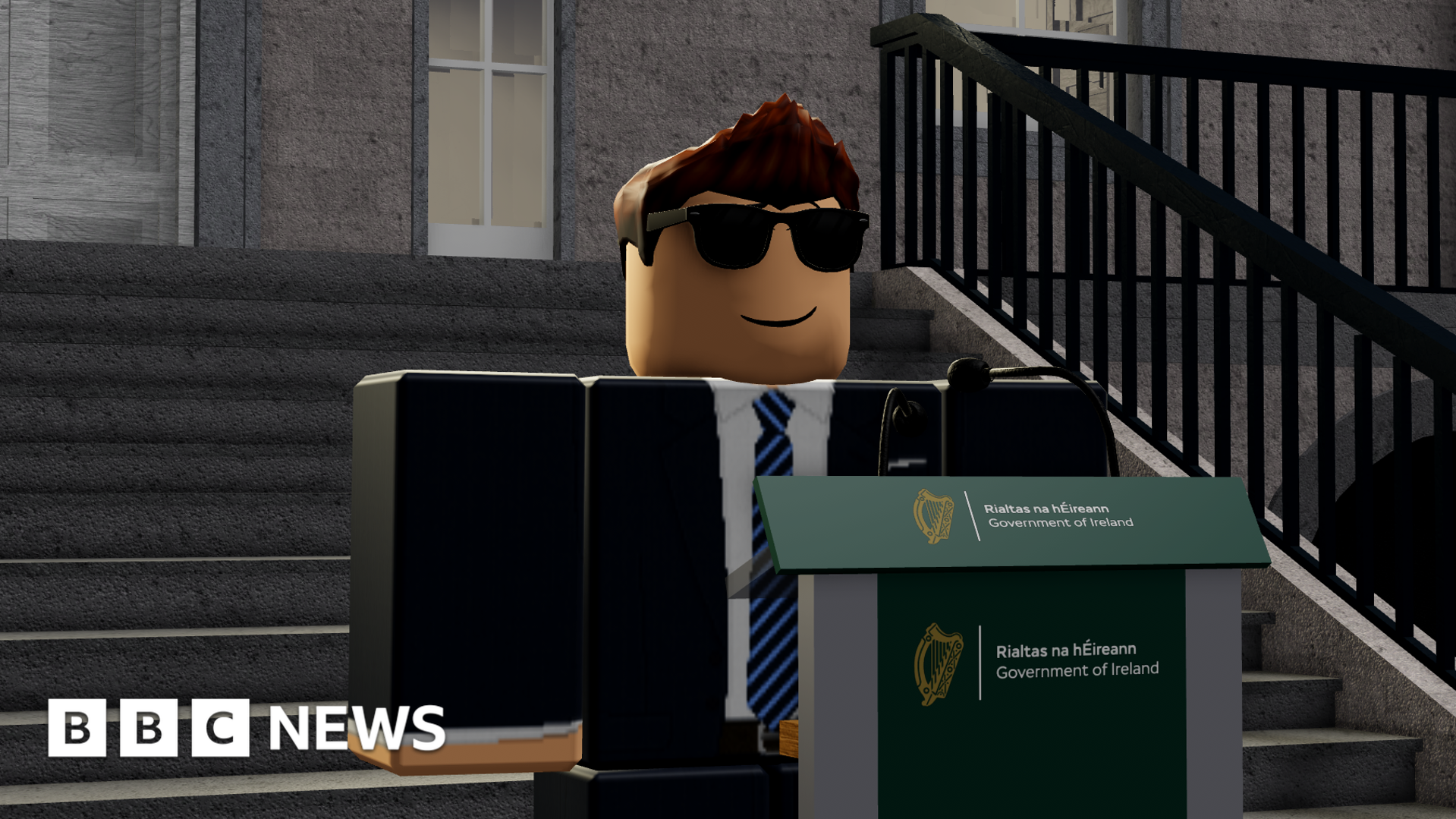
The announcement was made during a government press conference at Augustine House in County Monaghan, where ministers gathered to outline major legislative proposals.
The proposed referendum could lead to a significant change in Ireland’s parliamentary system, with voters being asked to decide whether the country should retain its two-house legislature or move towards a single parliamentary chamber.
The government has not yet confirmed a date for the referendum or published the precise wording of the proposed constitutional amendment.
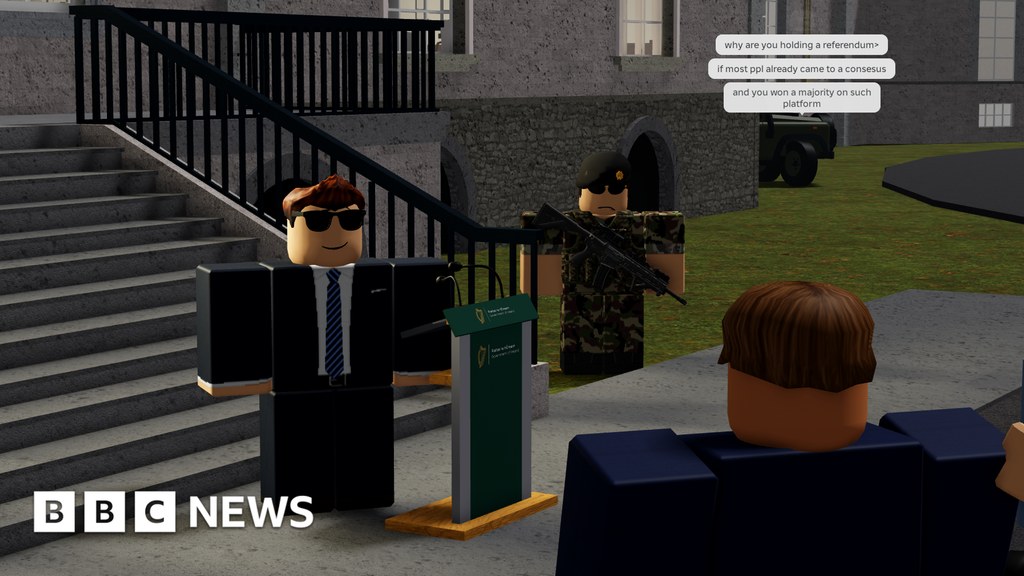
BBC World Service correspondent c_4allum questions Taoiseach SethONeill during the government press conference at Augustine House, following the announcement of a proposed referendum on abolishing Seanad Éireann.
What would abolishing the Seanad mean?
Seanad Éireann is one of the two houses of the Oireachtas, alongside Dáil Éireann.
The Seanad plays a role in examining legislation, proposing amendments and debating matters of national importance, although the Dáil holds greater legislative authority.
If voters approved its abolition, Ireland would move towards a unicameral parliamentary system, with the Dáil serving as the country’s sole legislative chamber.
Such a change would require amendments to the Irish Constitution, including provisions governing the composition and functions of the Oireachtas.
The announcement raises questions about how legislation would be scrutinised in the absence of an upper house, and whether alternative parliamentary oversight arrangements would be introduced.
What happens next?
The government is expected to provide further details about how the proposed referendum would be organised, including the wording of the constitutional amendment and the date on which voters would go to the polls.
Under Ireland’s constitutional procedures, an amendment bill must pass through both houses of the Oireachtas before being submitted to the electorate.
A referendum campaign would give supporters and opponents of abolition an opportunity to put forward their arguments.
Supporters of abolishing an upper chamber may argue that a single-house parliament could simplify legislative procedures and reduce administrative costs.
Opponents may argue that removing the Seanad would weaken parliamentary scrutiny and eliminate an additional forum for reviewing legislation.
The government has not yet set out its detailed case for the proposed change.
For now, the announcement marks the beginning of a potentially significant constitutional debate over the future structure of Ireland’s parliament.
BBC News will continue to follow developments as further details of the proposed referendum emerge.