
Britain has condemned Serbia’s declaration of war against Kosovo while signalling that it does not currently intend to intervene directly in the conflict.
The United Kingdom has condemned Serbia’s declaration of war against Kosovo in the strongest possible terms, while a senior Foreign Office official has told BBC News that London regards the conflict between Belgrade and Pristina as an internal matter.
The comments came from the Permanent Secretary to the Foreign Office, Mark, in direct responses to questions from the BBC’s Deputy Director-General following high-level diplomatic discussions between British and Ukrainian officials in Kyiv.
The Permanent Secretary said Britain remained open to mediating between Serbia and Kosovo, provided either party expressed a willingness to enter such a process.
He also revealed that the ongoing territorial dispute between New Zealand and Antarctica had been discussed during the Kyiv meeting, but said the British government had little concern that the confrontation would develop into a wider regional or global crisis.
The remarks provide the clearest indication yet of Britain’s position on two major international disputes.
They follow an official government statement condemning Serbia’s territorial demands, urging Albania to avoid further escalation and endorsing a peace proposal from the United Nations Secretariat.
Britain issues strong condemnation of Serbia’s declaration of war
OFFICIAL UK GOVERNMENT STATEMENT | LONDON
“The United Kingdom unequivocally and in the strongest possible terms condemns the Republic of Serbia’s declaration of war.”
The British government issued its condemnation after Serbia formally declared a state of war against Kosovo following the collapse of United Nations-led peace negotiations.
In its statement, London rejected Serbia’s demands for the division of Kosovo’s territory, describing them as unacceptable and warning that they risked undermining peace and security across Europe.
Serbia had previously issued a 48-hour ultimatum demanding a territorial settlement that would allocate 30% of the disputed territory to Serbia, 30% to Albania and leave 40% under Kosovo’s administration.
Kosovo rejected the demands, insisting that its sovereignty and territorial integrity were not negotiable.
Belgrade subsequently declared a state of war, citing Kosovo’s rejection of a proposed agreement from the United Nations Secretary-General and the failure of diplomatic efforts.
The British government has called on Serbia to immediately withdraw its demands and return to meaningful dialogue.
However, subsequent comments from the Foreign Office suggest Britain does not currently intend to take a direct role in the confrontation.
Foreign Office tells BBC Serbia–Kosovo conflict is an ‘internal matter’
EXCLUSIVE | BBC NEWS QUESTIONS FOREIGN OFFICE PERMANENT SECRETARY
In a direct exchange with the BBC’s Deputy Director-General, the Permanent Secretary to the Foreign Office was asked whether Britain condemned Serbia’s declaration of war and what action the government was prepared to take.
Mark responded:
“In light of the ongoing conflict between Belgrade and Pristina, the Foreign Office considers it an internal matter.”
He continued:
“However, it remains open to mediation between the two parties if either party expresses a willingness to engage in such a process.”
The remarks indicate that, despite Britain’s public condemnation of Serbia’s actions, the Foreign Office is not currently committing itself to intervention.
The offer of mediation leaves open the possibility of British involvement in future diplomatic negotiations.
However, no mediation process has been announced, and neither Serbia nor Kosovo has been confirmed as having formally requested British assistance.
The Foreign Office did not announce sanctions, military intervention or other punitive measures in its response.
The distinction between the government’s condemnation and the Permanent Secretary’s description of the conflict as an internal matter may raise questions about the extent of Britain’s intended involvement.
UK says little risk of wider confrontation over New Zealand–Antarctica dispute
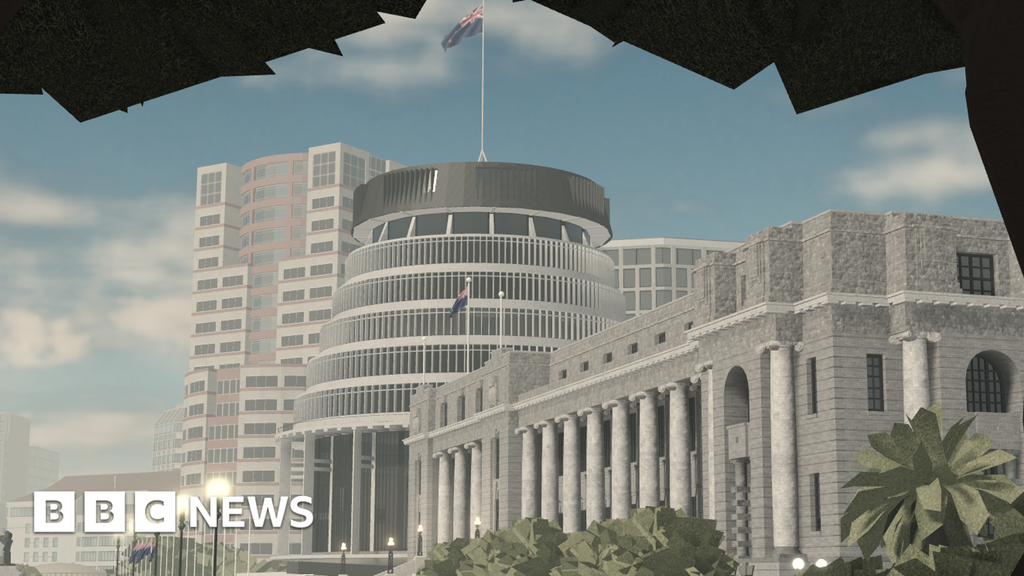
The Foreign Office has expressed confidence that New Zealand and Antarctica will resolve their territorial dispute.
The Permanent Secretary also addressed the ongoing territorial dispute between New Zealand and Antarctica, which has attracted international attention following Russia’s announcement of support for New Zealand.
The BBC’s Deputy Director-General asked whether Britain feared a wider international confrontation and whether the matter had been raised during the Kyiv discussions.
In response, Mark said:
“Regarding the ongoing territorial dispute between Antarctica and New Zealand, we believe that the two parties will resolve the matter.”
He added:
“There is little concern of a wider regional or even global confrontation at this time.”
The comments represent a notably measured assessment of the dispute from the British government.
Despite Russia’s previously announced support for New Zealand and its military preparations, the Foreign Office has indicated that it does not currently believe the situation is likely to escalate into a wider international conflict.
The statement does not mean that Britain has endorsed either side’s territorial claims.
London has not announced any military or diplomatic measures relating specifically to the Antarctic confrontation.
Antarctic dispute discussed during Kyiv meeting
In a further disclosure, the Permanent Secretary confirmed that the confrontation had formed part of Sunday’s discussions between British and Ukrainian officials.
“Indeed, these matters were discussed between our two delegations in Kyiv today.”
The confirmation establishes that the dispute was considered during the meeting, although neither government has disclosed what positions were taken or whether any joint response was discussed.
It also indicates that the Kyiv talks extended beyond bilateral relations to address wider international security issues.
UK urges Albania to avoid escalating Balkan conflict
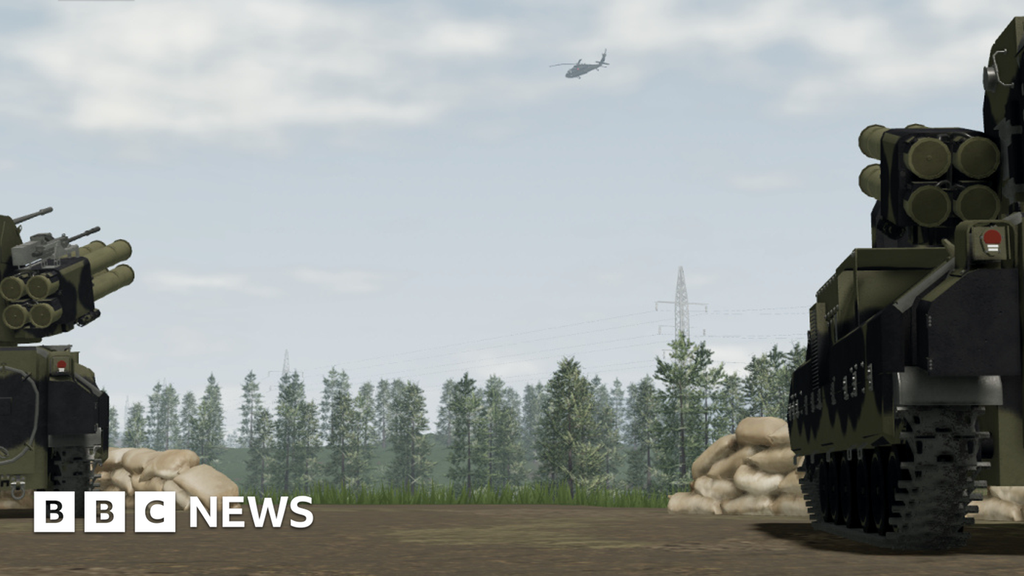
Albania’s earlier announcement of involvement alongside Serbia has prompted an appeal for restraint from London.
Britain’s official statement also included a warning to Albania, which had previously announced its involvement alongside Serbia as an allied co-belligerent.
The government urged Albania not to participate in actions that could intensify the conflict or threaten stability across the Western Balkans.
London called on all parties to respect peaceful dispute resolution and international cooperation.
Albania’s involvement has heightened concerns that the Serbia–Kosovo dispute could develop into a broader regional confrontation.
However, there has been no independently confirmed information establishing that Albanian forces have entered combat.
The British government has not announced any specific measures against Albania.
Britain backs UN peace proposal despite collapse of negotiations
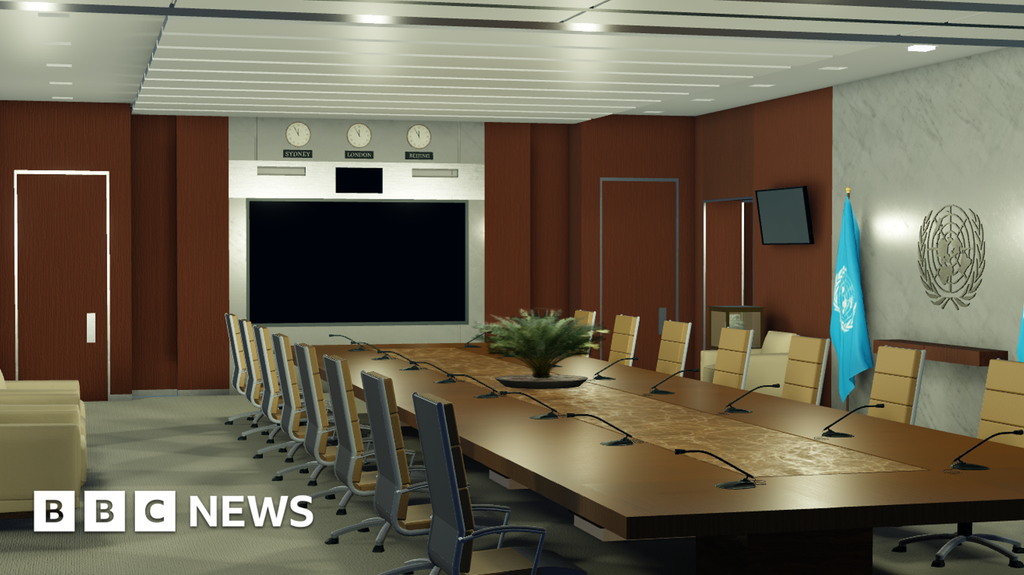
The United Kingdom has formally supported the UN Secretariat’s proposed peace settlement between Serbia and Kosovo.
The British government has also endorsed the peace proposal presented by the United Nations Secretariat during earlier attempts to resolve the Serbia–Kosovo dispute.
Senior UN officials had held discussions with representatives of both sides in an effort to prevent further escalation.
However, the negotiations failed to prevent Serbia’s declaration of war.
In its official statement, the British government said:
“The United Kingdom fully supports the United Nations Secretariat proposal and encourages both parties to re-consider the option.”
The precise contents of the proposed agreement have not been publicly disclosed.
Britain’s endorsement indicates that it continues to support a diplomatic resolution, despite the Foreign Office’s position that the conflict should be treated as an internal matter.
British and Ukrainian officials discuss international security in Kyiv
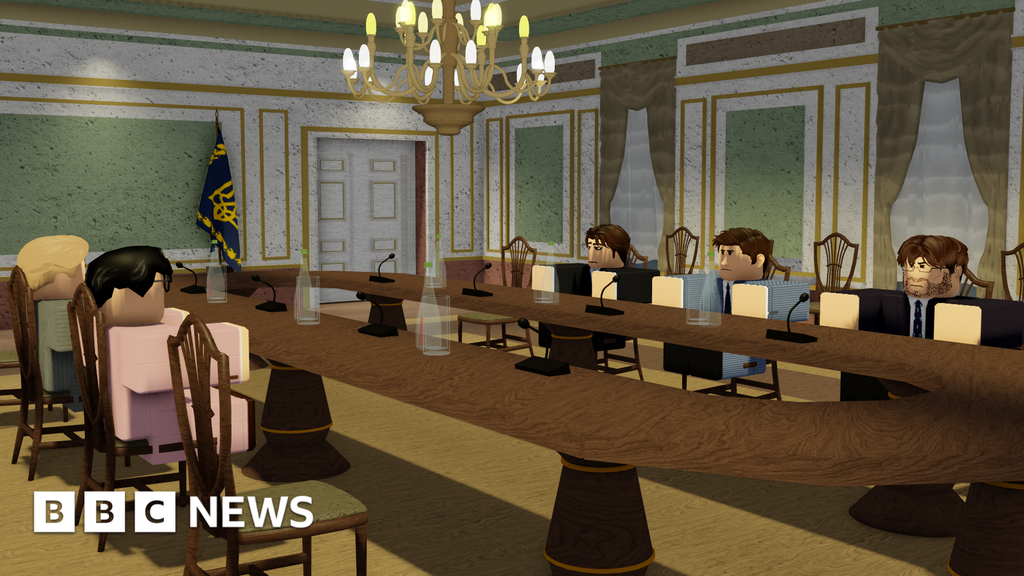
British and Ukrainian representatives held diplomatic talks in Kyiv, discussing bilateral cooperation and wider international matters.
The Foreign Office’s latest comments followed a diplomatic visit to Kyiv by senior British representatives.
The British prime minister had originally been expected to attend but withdrew because of a private matter.
The delegation continued with the visit, holding discussions with Ukrainian officials.
Speaking to the BBC’s Deputy Director-General, the Permanent Secretary described the meeting as an important step towards strengthening relations between the two governments.
“The United Kingdom places great importance on our strategic partnership with Ukraine. Today’s visit underscores our commitment to expanding our bilateral relationship.”
He added that he was confident his Ukrainian counterpart shared that sentiment following the discussions.
The Permanent Secretary also revealed that the talks had laid the foundations for a potential agreement.
“Most of today’s discussions laid the groundwork for a potential agreement, but the details of this proposal are still in the preliminary stages.”
He said the discussions had primarily revolved around the United Nations.
Neither government has publicly announced a final agreement or disclosed the full contents of the negotiations.
The Foreign Office has now separately confirmed that the New Zealand–Antarctica dispute was among the international matters discussed during the meeting.
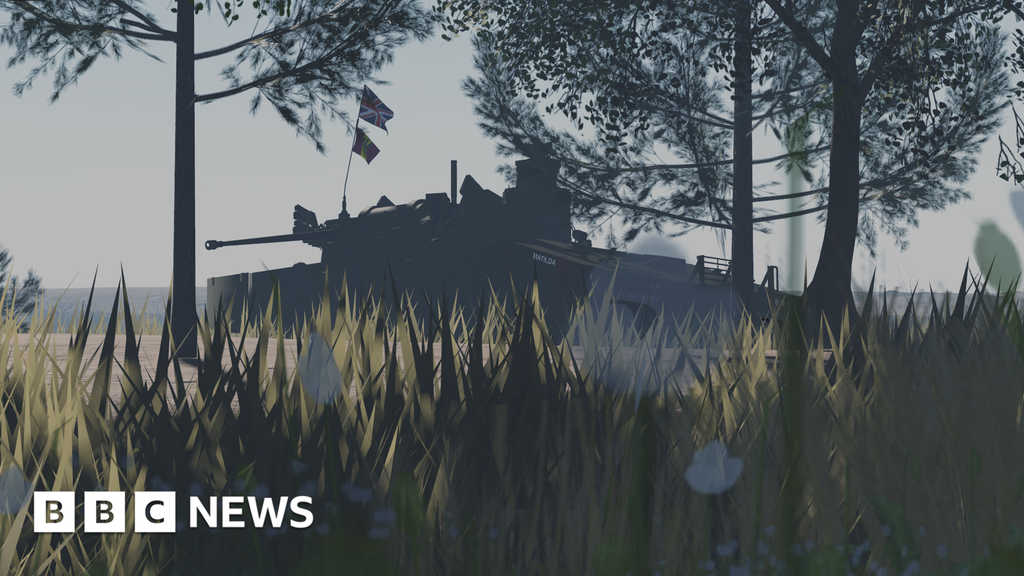
British Armed Forces activity featured alongside statement
The British government’s official announcement was accompanied by several photographs described as showing recent British Armed Forces activity.
The images depicted soldiers, armoured vehicles and other military scenes.
However, the government did not explain whether the photographs were connected to either the Serbia–Kosovo conflict or the New Zealand–Antarctica dispute.
There has been no confirmation of a British military deployment in response to either confrontation.
The photographs should therefore not be interpreted as evidence of preparations for British intervention.
Analysis: Britain condemns Serbia however signals diplomatic restraint
BBC NEWS | DIPLOMATIC ANALYSIS
The latest comments from the Foreign Office provide an important clarification of Britain’s position on the international disputes.
The government’s condemnation of Serbia was unequivocal.
It rejected Belgrade’s territorial demands, warned against further escalation and supported the United Nations’ proposed peace agreement.
Yet the Permanent Secretary’s subsequent description of the conflict as an internal matter suggests that Britain intends to maintain some distance from direct involvement.
The willingness to offer mediation leaves a diplomatic option available, but does not amount to a commitment to intervene.
On New Zealand and Antarctica, the British position is different.
Rather than warning of an imminent wider conflict, the Foreign Office has expressed confidence that the two sides will resolve their differences.
That assessment comes despite Russia’s involvement in the dispute.
The confirmation that the matter was discussed in Kyiv also demonstrates that Britain and Ukraine are engaging on wider international security issues, even as the precise details of their proposed agreement remain undisclosed.
Taken together, the statements suggest a British approach focused on diplomatic engagement rather than immediate military action.
Serbia hits back at UK condemnation and draws Falkland Islands comparison
Serbia has responded to the United Kingdom’s condemnation of its declaration of war against Kosovo, accusing London of placing disproportionate pressure on Belgrade and urging the British government to recognise Serbia’s territorial concerns.
In an official statement issued from Belgrade, the Office of the President of the Republic of Serbia acknowledged Britain’s concerns over regional stability but argued that Serbia’s position must be considered within its historical and political context.
The Serbian government insisted that Kosovo’s rejection of the United Nations Secretariat’s proposed peace agreement was a significant factor in the breakdown of diplomatic negotiations.
“A fair approach requires all parties to be held to the same standards rather than placing pressure exclusively on Belgrade,” the statement said.
Serbia challenges Britain’s position using Falkland Islands dispute
In a notable intervention, Serbia drew comparisons between its territorial claims over Kosovo and the longstanding sovereignty dispute between the United Kingdom and Argentina over the Falkland Islands.
Belgrade argued that, although the historical circumstances differ, both disputes involve competing territorial claims and national interests.
The Serbian government said:
“We ask London to show the same understanding towards Serbia’s position that it expects others to show towards its own position on the Falkland Islands.”
The comparison is likely to attract attention given the sensitivity of the Falkland Islands sovereignty dispute, although the two situations have different historical, political and legal circumstances.
Serbia also challenged Britain’s position as a permanent member of the United Nations Security Council, arguing that its international standing should not diminish the importance of Serbia’s concerns.
Belgrade insists it remains open to diplomacy
Despite its criticism of London, the Serbian government said it did not seek unnecessary confrontation with the United Kingdom and remained willing to pursue diplomatic negotiations.
However, Belgrade insisted that any future settlement must address the concerns of all parties rather than placing responsibility exclusively on Serbia.
The statement comes after Britain condemned Serbia’s declaration of war against Kosovo and called for the withdrawal of its territorial demands.
The British Foreign Office has separately told BBC News that it considers the Serbia–Kosovo conflict an internal matter but remains open to mediation should either party express a willingness to engage.
Serbia’s response highlights the growing diplomatic disagreement between London and Belgrade, even as both governments publicly maintain that a negotiated settlement remains possible.
There has been no further British government response to Serbia’s latest statement.
What happens next?
Serbia–Kosovo conflict
Attention turns to whether either side will seek British mediation or reconsider the UN Secretariat’s proposed agreement.
New Zealand–Antarctica dispute
The Foreign Office believes the dispute can be resolved without wider confrontation, but the positions of the parties and Russia’s involvement remain important developments.
UK–Ukraine diplomatic discussions
Both governments have yet to announce the details of the potential agreement discussed in Kyiv.
For now, Britain has adopted a firm public position against Serbia’s declaration of war while signalling that it remains reluctant to become directly involved in the conflict.
The Foreign Office has also sought to play down concerns of a wider confrontation involving New Zealand and Antarctica, despite the dispute attracting international attention.
With the Balkan conflict unresolved and further diplomatic discussions expected, the British government’s next steps remain under scrutiny.
BBC NEWS | CONTINUING COVERAGE
BBC News will continue following developments involving Serbia, Kosovo, New Zealand and Antarctica, alongside further diplomatic statements from the United Kingdom and Ukraine.

Want to share your questions, stories, pictures and videos with BBC News?
Every day BBC News brings you the latest stories from across the globe but what we want to hear are the issues that matter to you.
You can also get in touch in the following ways: