
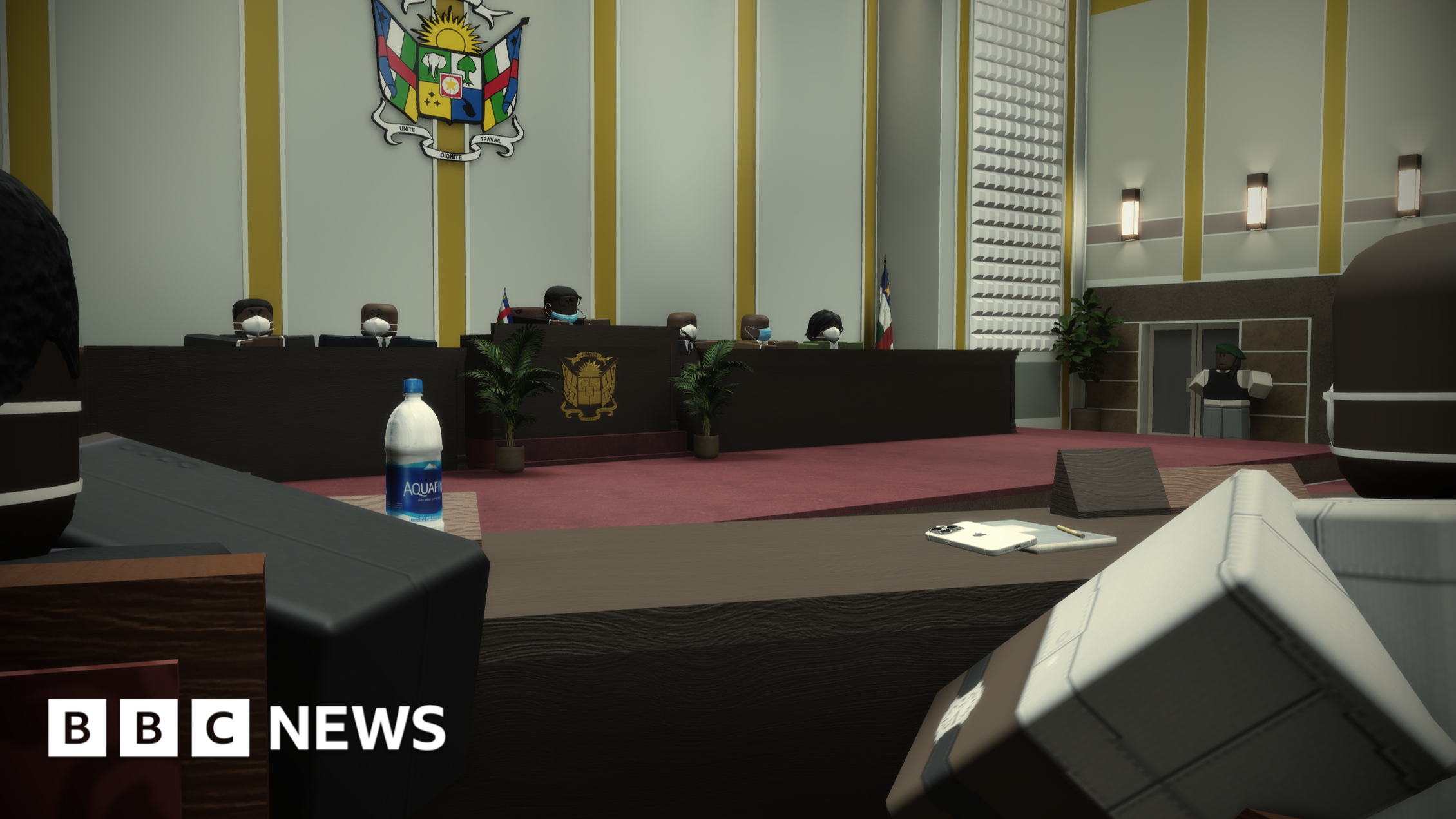
The Central African Republic has criticised France’s response to the escalating confrontation with Iran, warning that increased military pressure could have serious consequences for regional and international security.
In a statement issued from Bangui, the government expressed concern about the expansion of foreign military activity in the Middle East.
It argued that further military involvement could threaten international economic stability and endanger personnel operating in the region.
The statement called on Paris to pursue direct diplomatic negotiations with Tehran.
Bangui warns against military intervention
The Central African Republic said it did not wish to see French military personnel harmed and acknowledged France’s previous involvement in supporting the country against Seleka armed groups.
However, the government argued that France’s military leadership should reconsider its approach to intervention overseas.
“France’s military leadership must reconsider its actions regarding military intervention on foreign soil,” the statement said.
Bangui urged all parties to respect national sovereignty and avoid further military escalation.
Colonial history shapes response
The government also suggested that attitudes towards France’s confrontation with Iran were being influenced by the Central African Republic’s historical relationship with its former colonial power.
Its statement claimed that public support for Iran had increased among parts of the population.
That claim has not been supported by independently verified polling or other evidence in the material supplied.
The government nevertheless stressed that historical grievances should not become a justification for a new international confrontation.
Iran invokes France’s colonial past
Iran subsequently referred directly to France’s former colonial relationship with the Central African Republic.
In a strongly worded response to Paris, Tehran accused the French government of adopting an interventionist approach and rejected suggestions that other nations should refrain from commenting on the crisis.
France had previously argued that countries not directly involved in the dispute should avoid unnecessary public intervention.
The French government maintains that its actions are intended to defend its interests and prevent further escalation.
The exchange demonstrates how the dispute over shipping and military activity in the Strait of Hormuz has developed into a broader diplomatic confrontation involving governments beyond the Middle East.
Further images emerge amid allegations of Wagner Group violence in Central African Republic
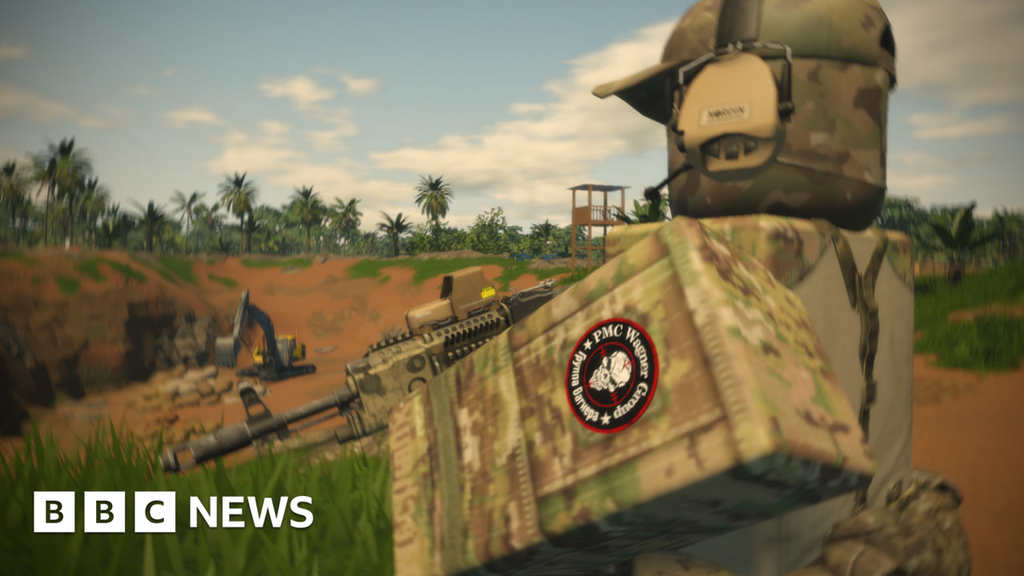
The BBC has received further photographic material from a source alleging that Wagner Group personnel have been involved in acts of violence, including the killing of captured fighters, in the Central African Republic.
The material, supplied following earlier correspondence with the BBC’s Deputy Director-General, includes images appearing to show armed personnel, casualties, military equipment and scenes of destruction.
The source claims the photographs provide further insight into the activities of the Russian private military organisation and the alleged treatment of prisoners and opposing forces.
The images appear to have been captured within a virtual military environment. While some depict graphic scenes, the BBC has not independently verified the circumstances they are intended to represent or established whether they document actual events within the roleplay community.
Images raise further questions over alleged executions
Several of the photographs show what appear to be fallen combatants, with armed personnel positioned nearby.
The source alleged that some of those depicted had been killed or executed, although no independently verified evidence has been provided to establish how the individuals died.
One image appears to show two armed figures standing beside a damaged wall, with what the source describes as the burning remains of a Wagner Group fighter nearby.
Writing on the wall, in Russian, was translated by the source as:
“I don’t heal hatred. It doesn’t hurt me.”
The BBC has not independently established the meaning or intended significance of the inscription.
Other images depict armed personnel standing near apparent casualties in wooded areas, alongside military vehicles and equipment.
The source suggested that the photographs showed the aftermath of violent encounters, but did not provide dates, precise locations or details identifying those allegedly responsible.
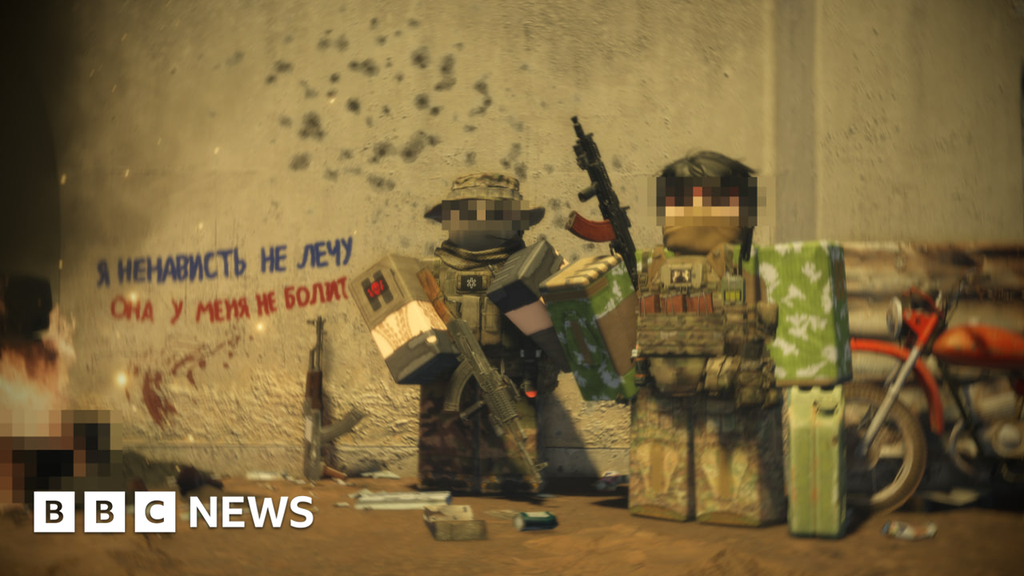
Photographic material supplied to the BBC appears to depict armed personnel alongside casualties in a simulated Central African Republic setting. The circumstances surrounding the scenes remain unverified.
Claims that diamonds are fuelling violence
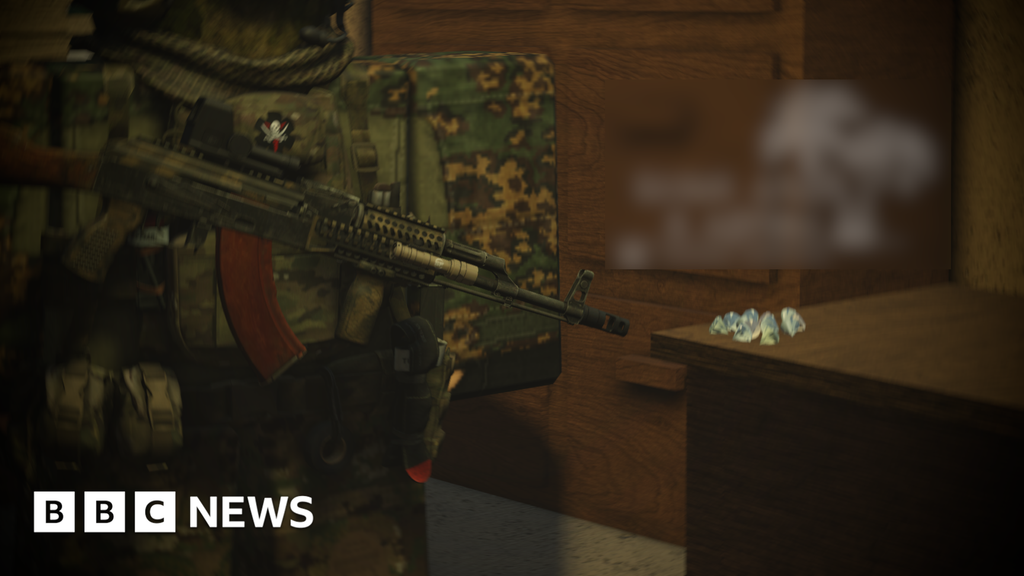
The source has also alleged that competition for valuable natural resources, particularly diamonds, is contributing to violence involving armed groups.
In one photograph, an armed individual is pictured near what appear to be diamonds or gemstones.
The source claimed:
“And it is the diamonds that cause the violence.”
The allegation raises questions about whether economic interests and control over natural resources may be contributing to the reported conflict.
However, the photographs do not establish that the objects depicted are genuine diamonds or demonstrate a direct connection between mineral resources and specific acts of violence.
Allegations of violent propaganda
Further concerns have been raised over claims that armed personnel deliberately photograph the bodies of defeated opponents.
According to the source, such images are used to demonstrate military dominance and intimidate opposing groups.
The source described the practice as an act of “propaganda of violence”.
Some of the material provided shows armed figures posing near apparent casualties, although the identities of those involved and their motivations cannot be established from the images alone.
The BBC has not verified whether the photographs were originally produced for propaganda purposes or subsequently circulated with that intention.
Calls for further evidence and accountability
The latest material follows an approach to the BBC on 6 October, when the source first proposed an investigation into alleged atrocities involving the Wagner Group in the Central African Republic and elsewhere in Africa.
The BBC subsequently requested supporting photographs and additional evidence.
Although further images have now been supplied, significant questions remain regarding their origin, the individuals depicted and the circumstances of the alleged incidents.
The photographs alone are insufficient to establish that executions or other war crimes have taken place.
The BBC would seek a response from the Wagner Group’s representatives and other relevant parties before drawing conclusions about responsibility.
The allegations nevertheless add to concerns about the conduct of armed organisations operating in the Central African Republic and the potential role of natural resources in fuelling violence.
BBC News will continue examining the allegations as further evidence becomes available.