
The latest developments mark a significant turning point in a dispute that has attracted growing international attention, following allegations of unauthorised foreign military activity, the enforcement of foreign authority over New Zealand citizens and environmental damage in the Antarctic territory.
The BBC has been following the developing situation over recent days, with diplomatic pressure now mounting on both sides to reach a peaceful settlement before New Zealand’s latest deadline expires.
The New Zealand government has warned that unspecified action will follow if its demands are not met within 48 hours, although it has not publicly detailed what measures it intends to pursue.
New Zealand renews ultimatum following earlier setback
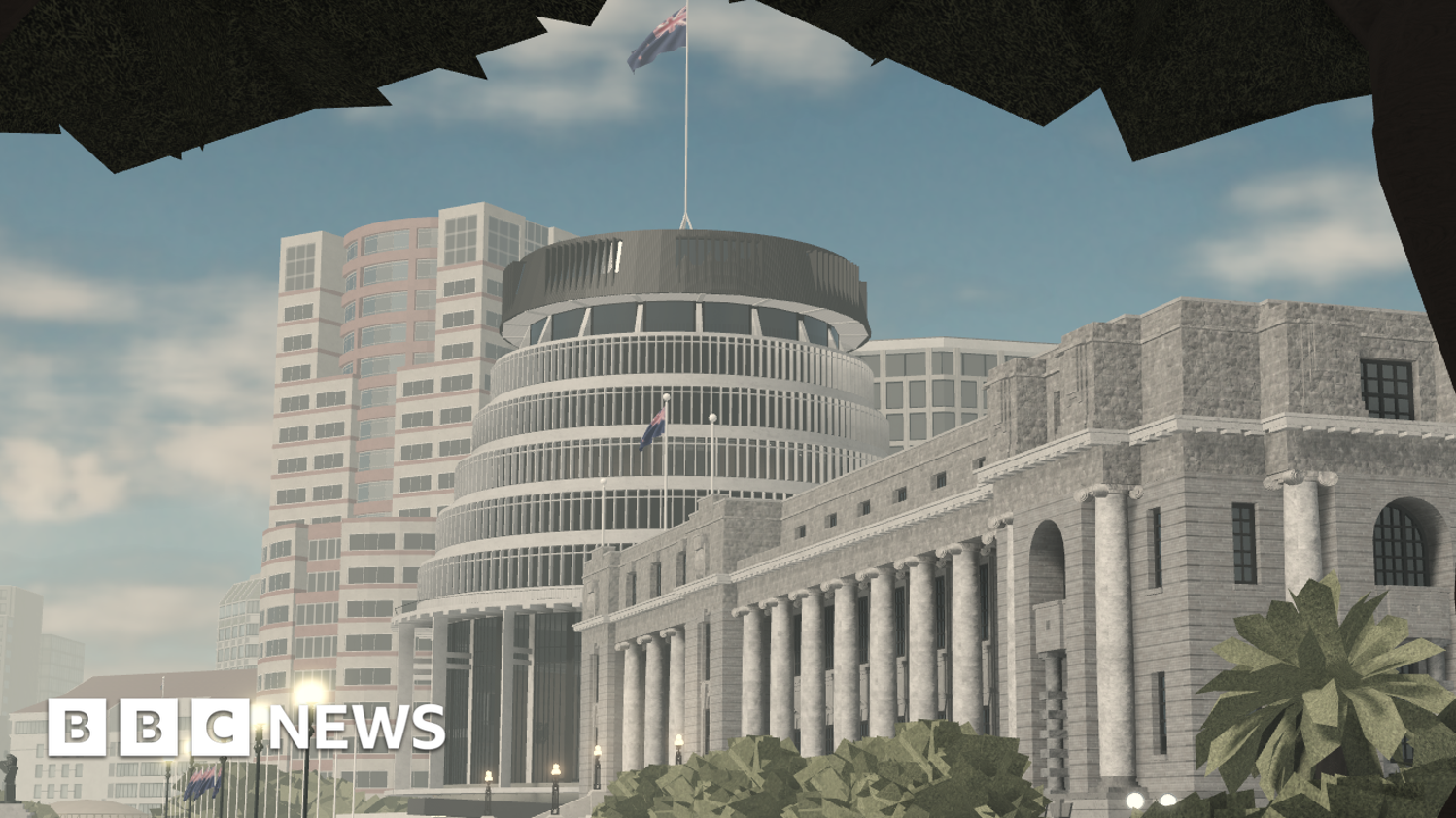
In a statement issued from Wellington, the Office of the Governor-General confirmed that New Zealand had formally renewed its ultimatum to the Kingdom of Antarctica after the original notice was deemed invalid.
The statement said:
“The New Zealand government has issued a new ultimatum to the Kingdom of Antarctica. (Due to the original one being found invalid) Once again they have 48 hours to abide by it, or action will be taken.”
The declaration was signed by Governor-General gopropolice, acting in their capacity as the representative of the monarch in the Realm of New Zealand.
The decision effectively restarts the diplomatic countdown, placing renewed pressure on the Antarctic authorities to respond to New Zealand’s demands.
However, questions remain over the precise conditions attached to the ultimatum, the reasons the previous notice was declared invalid and the nature of any potential action should the deadline pass without an agreement.
The BBC has not independently verified the allegations underlying the dispute.
Netherlands backs New Zealand and demands foreign withdrawal
The Kingdom of the Netherlands has become the latest European nation to intervene diplomatically, expressing its support for New Zealand’s position and calling for the withdrawal of unauthorised foreign services from the Ross Dependency.
In a statement released by the Rijksvoorlichtingsdienst, the Dutch government said it had reviewed New Zealand’s findings concerning the presence of foreign military personnel and the alleged enforcement of foreign authority over New Zealand citizens.
The statement declared:
“The Netherlands stands with New Zealand in defending its sovereignty and lawful administration.”
Dutch officials also called for the restoration of environmental damage allegedly caused in the territory, raising concerns that the dispute extends beyond questions of political authority and territorial administration.
The government continued:
“We call for the peaceful withdrawal of unauthorised foreign services, respect for New Zealand’s position in the Ross Dependency, and the restoration of environmental damage caused in the area.”
Despite its firm diplomatic position, the Netherlands stressed that the situation should be resolved through negotiations rather than further confrontation.
“New Zealand’s sovereignty should be respected, and the matter should not require further escalation.”
The Dutch intervention represents a significant expression of international support for Wellington’s position, although it remains unclear whether other governments intend to issue similar statements or become directly involved in negotiations.
Romania offers to host emergency peace talks within 48 hours
Meanwhile, Romania has emerged as a potential mediator, offering to facilitate diplomatic discussions between New Zealand and the Kingdom of Antarctica.
In an announcement from Bucharest, the Romanian government indicated that it was prepared to host negotiations aimed at resolving the dispute before the expiration of New Zealand’s ultimatum.
The Romanian statement said:
“The Romanian Government announces it may host mediation talks between New Zealand and Antarctica about the Ross Dependency.”
Officials expressed optimism that a mutually acceptable agreement could be reached within 48 hours, a timeframe that closely corresponds with the deadline established by New Zealand.
Romania has extended an invitation to both governments to participate in peace talks through its Ministry of Foreign Affairs.
However, neither New Zealand nor the Kingdom of Antarctica has been confirmed as having accepted the invitation.
The proposed mediation could offer a diplomatic route out of the confrontation, particularly as international calls for restraint continue to grow.
Any negotiations would likely need to address the presence of foreign personnel, the administration of the disputed territory, allegations concerning New Zealand citizens and the reported environmental damage.
Diplomatic pressure grows as deadline approaches
The latest statements demonstrate an increasingly international dimension to the confrontation.
While the Netherlands has adopted a clear position in support of New Zealand, Romania has sought to establish itself as a neutral diplomatic intermediary.
The contrasting approaches highlight the challenges facing governments attempting to prevent the disagreement from developing into a wider international incident.
New Zealand’s decision to renew its ultimatum suggests that Wellington is unwilling to allow the matter to remain unresolved indefinitely.
Nevertheless, the absence of publicly confirmed negotiations and the uncertainty surrounding the Kingdom of Antarctica’s response leave the immediate prospects for a settlement unclear.
A key question is whether Romania’s proposed talks can bring both governments to the negotiating table before New Zealand’s deadline expires.
What happens next?
Attention is now focused on the Kingdom of Antarctica’s response to the renewed ultimatum and whether either side will accept Romania’s invitation to participate in mediation.
Three developments will be particularly important: whether Antarctic authorities respond to New Zealand’s demands, whether formal peace talks are convened in Romania, and whether additional countries publicly intervene in the dispute.
For now, the prospect of a diplomatic resolution remains open, but the renewed 48-hour deadline has introduced fresh urgency.
With the Netherlands calling for the withdrawal of unauthorised foreign services and Romania offering to facilitate negotiations, international attention is increasingly turning towards the possibility of a negotiated settlement.
The BBC will continue to follow developments in the Ross Dependency dispute and provide further updates as official statements and diplomatic responses emerge.