
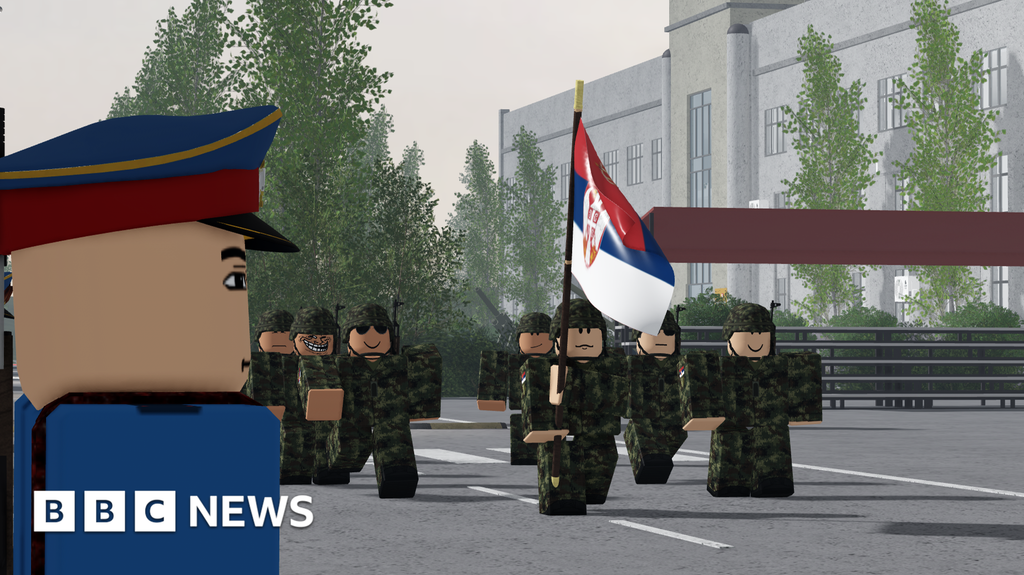
Serbia has formally declared a state of war against Kosovo after diplomatic negotiations failed to secure an agreement.
Serbia has formally declared war on Kosovo following the collapse of United Nations-led peace negotiations, bringing an end to diplomatic efforts aimed at preventing an escalation of the territorial dispute.
In an official announcement issued by the Office of the President in Belgrade, the Serbian government confirmed that it was entering a state of war after Kosovo rejected a peace agreement proposed by the United Nations Secretary-General.
The declaration follows days of escalating tensions, during which Serbia issued a 48-hour ultimatum demanding substantial territorial concessions, announced a general mobilisation and warned of military action if its demands were not met.
Kosovo had previously rejected the ultimatum, insisting that it would not surrender 60% of its territory under the threat of war.
The announcement marks a significant turning point in the crisis, with the dispute moving from diplomatic confrontation to a formally declared state of war.
Serbia: ‘The diplomatic process is exhausted’
In a statement titled Declaration of War Against the Republic of Kosovo, the Serbian presidency said that the failure to reach an agreement had left the government with no further diplomatic settlement under consideration.
The statement declared:
“The Republic of Serbia hereby declares a state of war with the Republic of Kosovo following Kosovo’s rejection of the Secretary-General’s proposed agreement and the failure of diplomatic efforts to achieve a settlement.”
Belgrade described Kosovo’s rejection of the proposed agreement as a decisive breakdown in negotiations.
The Serbian government also said that the deadline established under its earlier ultimatum had expired, clearing the way for the next stage of the conflict under the rules governing the Ro-Nation community.
The declaration concluded:
“The Republic of Serbia considers the diplomatic process exhausted and hereby formally declares a state of war against the Republic of Kosovo.”
Despite the formal declaration, there has been no independently confirmed information about military engagements, casualties or territorial changes.
How did the crisis reach this point?
- Serbia issues territorial ultimatum:
Belgrade demands a settlement allocating 30% of the designated disputed territory to Serbia, 30% to Albania and leaving 40% under Kosovo’s administration. - General mobilisation announced:
The Serbian government calls for mobilisation and warns that military action could follow the failure of diplomatic negotiations. - Albania announces involvement:
Tirana declares its entry into hostilities alongside Serbia as an allied co-belligerent. - United Nations convenes peace talks:
Senior UN officials meet representatives from Serbia and Kosovo and present a final proposed peace agreement. - Kosovo rejects proposed settlement:
Pristina refuses territorial concessions and calls for its sovereignty to be respected. Serbia subsequently says Kosovo also rejected the UN proposal. - Serbia formally declares war:
The Serbian presidency announces a state of war against Kosovo, declaring the diplomatic process exhausted.
Kosovo refuses to surrender territory
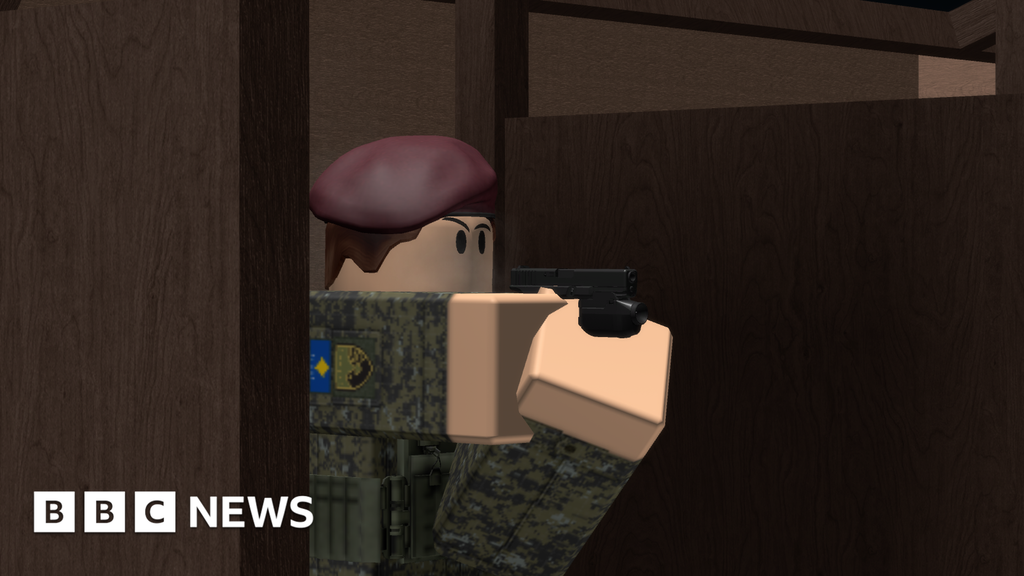
Kosovo’s government has repeatedly rejected Serbia’s territorial demands and insisted that its sovereignty must be respected.
The Serbian declaration follows a strongly worded statement from Kosovo’s Office of the Prime Minister, which rejected the earlier ultimatum and called for international intervention.
Kosovo said that it would not surrender 60% of its territory, arguing that territorial integrity could not be determined through threats of military force.
In its statement, the government said:
“Kosovo will never surrender 60% of its territory in fear of war.”
It also rejected Serbia’s reliance on historical claims concerning Kosovo and Metohija as justification for changing territorial boundaries.
The government concluded its statement by declaring:
“Territory of Kosovo is not for sale. Sovereignty of Kosovo is non-negotiable.”
Kosovo had previously expressed its willingness to participate in peace negotiations, but maintained that it would not accept territorial concessions imposed under pressure.
The latest Serbian declaration states that Kosovo subsequently rejected the Secretary-General’s proposed agreement.
However, the precise terms of that agreement have not been publicly detailed in the statements provided, and Kosovo has not yet issued a separate response to Serbia’s formal declaration of war.
UN peace efforts fail to prevent declaration
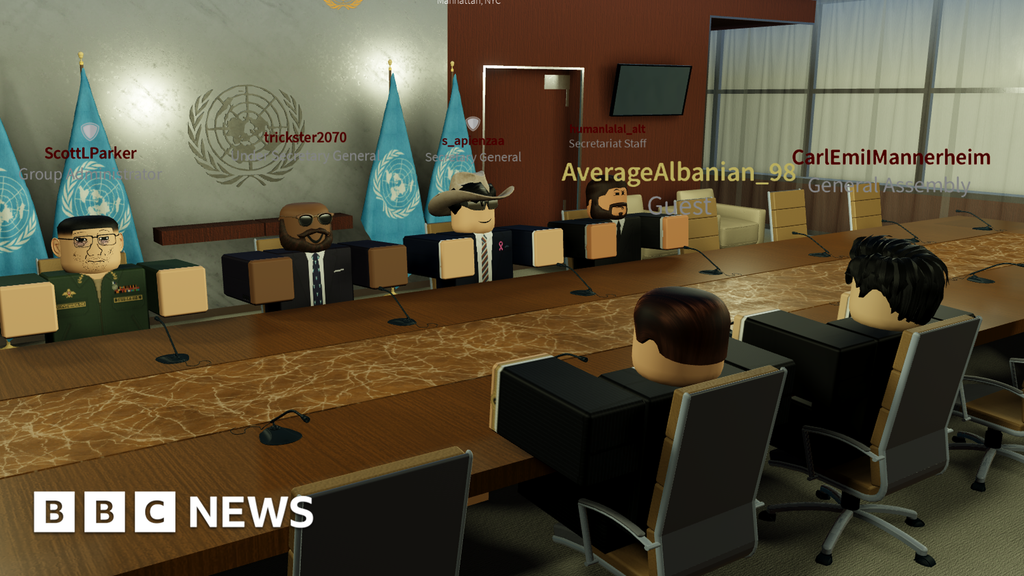
Senior United Nations officials had attempted to negotiate a settlement between Serbia and Kosovo before the declaration of war.
The United Nations Department of Political Affairs had previously confirmed that the Secretary-General, Under-Secretary-General for Political Affairs and Assistant Under-Secretary-General held discussions with representatives from Serbia and Kosovo.
The talks covered several aspects of the territorial dispute, with officials hoping to secure an agreement that would prevent the situation from escalating into armed conflict.
Following the meeting, the Under-Secretary-General confirmed that both sides had been offered a final peace proposal and were reviewing its terms.
The Serbian government’s latest announcement indicates that those efforts have failed to produce an agreement.
It remains unclear whether the United Nations intends to convene further negotiations or introduce additional diplomatic measures following the declaration.
Albania’s involvement raises fears of wider conflict
Albania’s previously announced involvement alongside Serbia has increased concerns about the potential regional implications of the dispute.
The Albanian government confirmed its position as an allied co-belligerent, citing mutual defence arrangements under the community’s rules governing conflict.
Kosovo subsequently urged Albania to reconsider its position and refrain from participating in military action.
No further announcement has been provided confirming whether Albania intends to commence military operations following Serbia’s declaration.
The involvement of multiple Balkan governments has added to concerns expressed by other members of the international community.
International community calls for restraint
International representatives have called for diplomatic engagement amid the escalating dispute in the Balkans.
Belgium and South Africa are among the countries that have publicly called for restraint as tensions between Serbia and Kosovo have intensified.
The Belgian government previously condemned the deterioration of security in Europe and urged governments to pursue diplomacy rather than military confrontation.
South African President Mahlangu also expressed concern over the situation, warning that military intervention was not a substitute for meaningful negotiations.
Speaking to the South African Broadcasting Corporation, he said:
“The escalating tensions in the Balkans are deeply concerning, South Africa believes that dialogue and diplomacy must prevail over military action. Europe knows better than war and conflict.”
Those statements were issued before Serbia’s formal declaration of war.
Neither government has yet provided a further response to the latest announcement in the information available to BBC News.
What happens now?
LATEST POSITION | 11 OCTOBER 2026
| Party | Latest confirmed position |
|---|---|
| Serbia | Has formally declared a state of war against Kosovo. |
| Kosovo | Has rejected Serbia’s territorial ultimatum and insists its sovereignty is non-negotiable. |
| Albania | Has announced its involvement alongside Serbia. |
| United Nations | Previously proposed a peace agreement, which Serbia says Kosovo rejected. |
The formal declaration of war represents the most significant escalation of the crisis so far.
Attention now turns to whether Serbian military forces will begin operations, how Kosovo will respond and whether Albania will become actively involved.
The United Nations could also face renewed pressure to intervene diplomatically, despite the apparent failure of its most recent peace initiative.
For now, the situation remains uncertain, with no independently confirmed reports of military engagements or casualties arising from the declaration.
Serbia has made clear that it considers diplomatic negotiations exhausted, while Kosovo has repeatedly insisted that it will not surrender territory under the threat of force.
With the two governments maintaining fundamentally opposing positions, the prospect of a negotiated settlement remains unresolved.
BBC News will continue to provide updates on the developing conflict as further statements emerge from Belgrade, Pristina and the United Nations.