
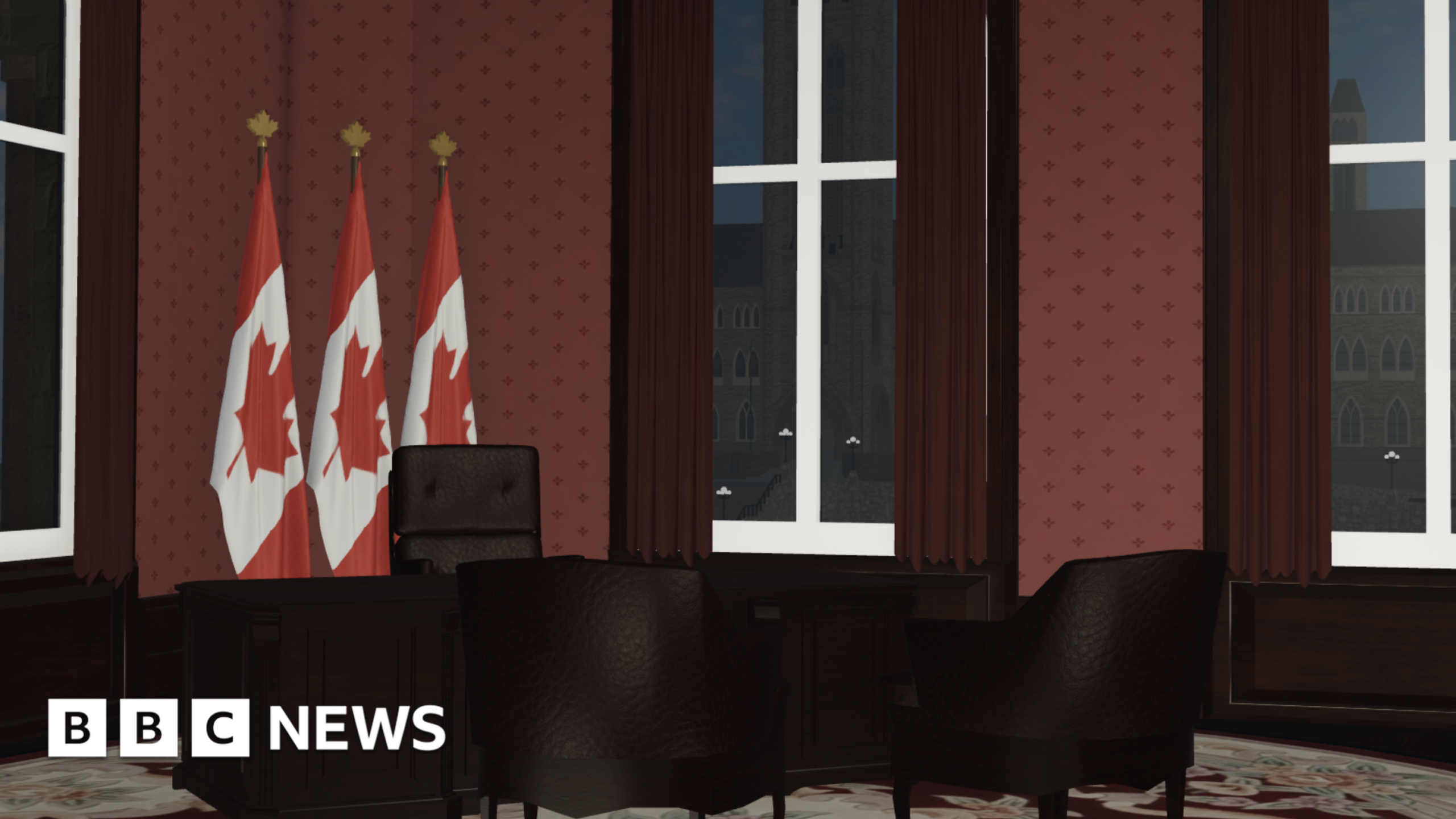
Canada’s Prime Minister has announced his government’s support for New Zealand in its declared war against Antarctica, ordering military personnel to prepare for immediate deployment and claiming that Canada could receive Antarctic territory in the event of a New Zealand victory.
In a significant escalation of Canada’s involvement in the international dispute, Prime Minister DerbyMonroe said his government had held consultations with the United Nations Security Council and secured agreement among several major powers to support New Zealand.
The prime minister claimed that Australia, the United States, France and Russia would join Canada in supporting New Zealand, although those governments have not independently confirmed the commitments described in his statement.
The announcement follows an earlier declaration by Canada’s Minister of National Defence, iNauticas, that Canadian forces had been placed on standby for possible international peacekeeping operations.
However, the prime minister’s latest remarks suggest Ottawa is now considering a more direct military role in the conflict.
Canada claims major powers have agreed to support New Zealand
In an official statement, Mr DerbyMonroe said Canada had consulted the UN Security Council following New Zealand’s declaration of war.
The prime minister claimed that five major nations, including Canada, had agreed to support New Zealand’s territorial position.
He said:
“They have rightful claim over the territory and as a result they will reward territorial claims to nations who support them, which include our nation.”
The statement represents a substantial shift from Canada’s earlier position, which focused on maintaining peace and preventing further hostilities.
Mr DerbyMonroe also named Australia, the United States, France and Russia as countries he expected to support New Zealand.
“It’s frankly a battle we will not lose,” the prime minister declared.
The BBC has not independently verified the existence of a formal agreement between the countries named or confirmed whether the Security Council has authorised any military operation.
Canada could receive Antarctic territory
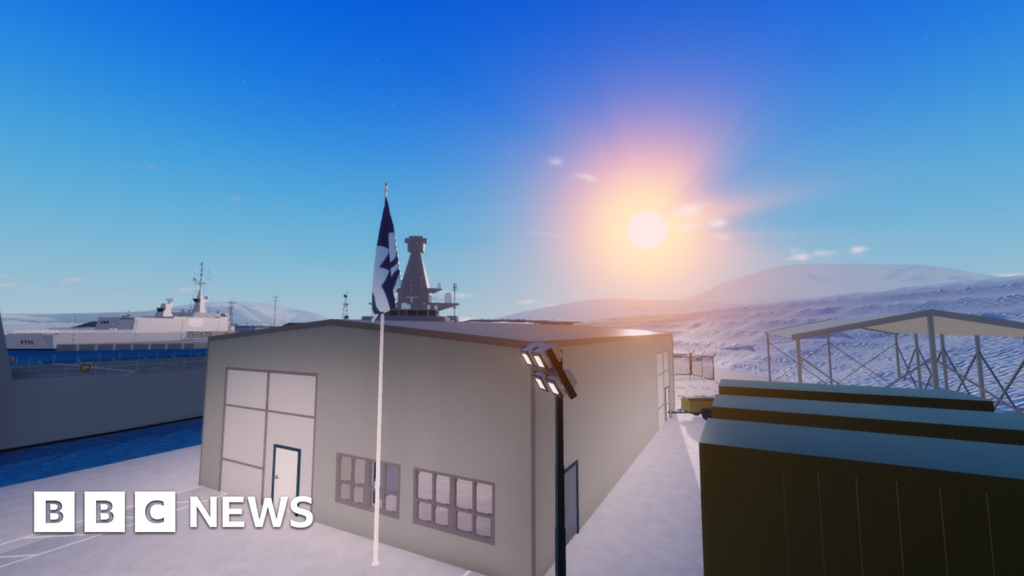
Canada’s prime minister says the country could establish a military and research facility in Antarctica if New Zealand wins the conflict.
One of the most significant elements of the announcement concerns Canada’s potential territorial interests in Antarctica.
Mr DerbyMonroe said that, should New Zealand emerge victorious, Canada would be awarded part of the territory currently claimed by Antarctica.
The prime minister said the territory would be used to establish a new military mission base and support scientific research connected to the eventual completion of the Canadian Space Agency (CSA).
The proposed arrangement raises questions about the nature of Canada’s involvement in the conflict and whether its objectives extend beyond peacekeeping.
No details have been provided regarding the size or location of the territory Canada expects to receive.
There has also been no independent confirmation that New Zealand has formally agreed to transfer territory to Canada.
Armed forces placed on immediate deployment readiness
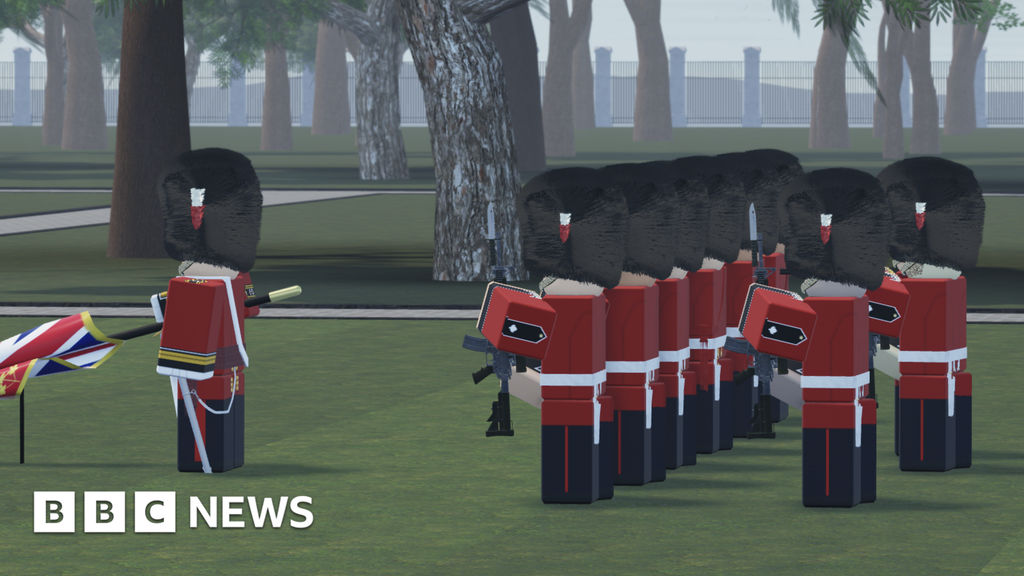
Canada’s defence minister has instructed the military to prepare for potential overseas operations.
Canada’s Minister of National Defence, iNauticas, earlier confirmed that the country’s Military Council had been instructed to prepare Canadian forces for possible deployment.
The minister said the preparations included potential peacekeeping operations in both the New Zealand-Antarctica conflict and the ongoing confrontation between France and Iran.
In his statement, he said:
“I have instructed the Military Council to place Canadian forces on standby and prepare for potential peacekeeping operations should the situation require it.”
He added that Canada remained committed to international stability and preventing further conflict.
However, the prime minister subsequently confirmed that he had instructed the defence minister to ensure all military personnel were ready for immediate deployment should Canada enter the war.
The distinction between the two announcements is significant.
While the defence minister described potential peacekeeping missions, the prime minister explicitly raised the possibility of Canada joining the conflict in support of New Zealand.
There has been no confirmation that Canadian forces have been deployed or engaged in military operations.
Australia’s neutrality raises questions over alliance claims
The prime minister’s announcement appears to conflict with an earlier statement from Australia concerning its position in the war.
Australia previously declared that it would maintain strict neutrality and would not provide military assistance to either New Zealand or Antarctica.
Canberra instead offered to act as an impartial mediator, proposing peace negotiations and a possible ceasefire.
Mr DerbyMonroe’s subsequent claim that Australia would support New Zealand therefore raises questions about whether Canberra’s position has changed.
No updated Australian statement confirming a change in policy has been provided.
The positions of the United States, France and Russia regarding the claimed military arrangement also remain unconfirmed in the material available to the BBC.
UN involvement under scrutiny
The Canadian prime minister’s reference to consultations with the UN Security Council is likely to attract attention as the international response to the conflict develops.
Mr DerbyMonroe said the consultations had resulted in support for New Zealand among major international powers.
However, no Security Council resolution or formal authorisation for military intervention has been presented.
It remains unclear whether the discussions described by the prime minister constituted an official Security Council meeting, separate diplomatic consultations or informal negotiations between national representatives.
The legal and diplomatic basis for any proposed territorial redistribution in Antarctica has also not been explained.
Canada also considers peacekeeping role in Middle East
The Canadian government’s military preparations are not limited to the New Zealand-Antarctica conflict.
Defence Minister iNauticas confirmed that Canadian forces could also be deployed to the Middle East to assist in maintaining peace between France and Iran.
The announcement comes amid heightened tensions over Iranian restrictions on French shipping through the Strait of Hormuz.
Relations between Paris and Tehran have deteriorated further following the reported assassination of French President Jimmies in Saint-Tropez.
The Élysée Palace alleged that the gunman responsible had connections to Iran’s Islamic Revolutionary Guard Corps, although those claims remain unverified.
Canada has not announced whether any proposed Middle Eastern deployment would involve military observers, peacekeepers or other personnel.
Political uncertainty at home
The prime minister’s international announcement comes as his government continues negotiations over the formation of a coalition.
Mr DerbyMonroe said his administration would not comment on speculation surrounding potential coalition agreements.
The government has therefore been addressing both domestic political negotiations and an increasingly complicated international security situation.
With Canadian forces reportedly on standby, attention will now turn to whether Ottawa formally authorises military involvement and whether the countries named by the prime minister confirm their support for New Zealand.
For now, Canada has publicly aligned itself with New Zealand’s position, but the extent of any military commitment, the proposed territorial agreement and the claimed international coalition remain uncertain.