
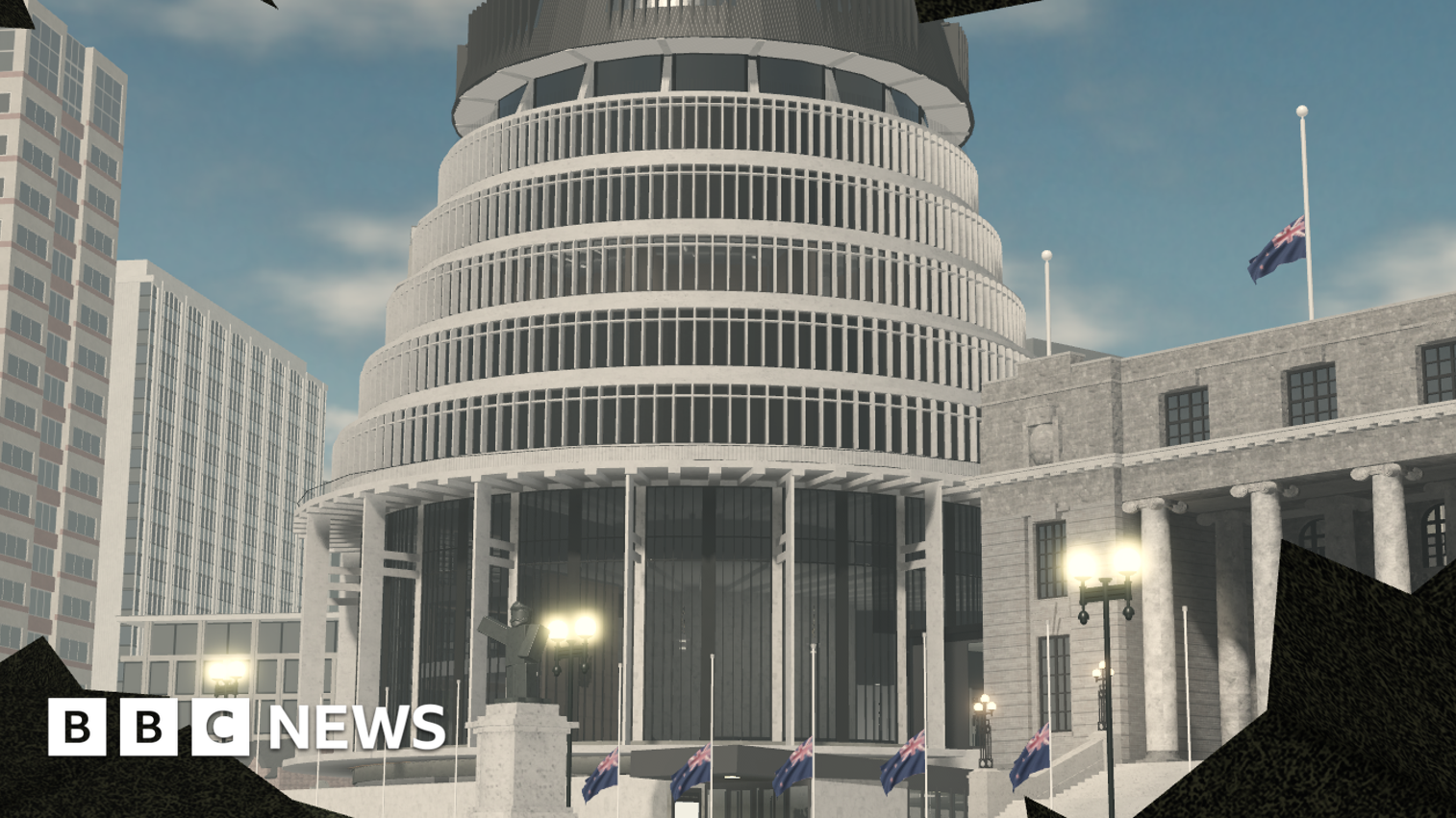
A reported declaration of war by New Zealand against Antarctica has prompted international calls for an immediate cessation of hostilities, while a separate controversy involving alleged bias within the International Court of Justice (ICJ) has intensified the dispute.
Statements circulated by several governments refer to a declaration of war issued by New Zealand’s Governor-General.
However, the original declaration and the precise circumstances surrounding it have not been independently verified by the BBC.
Iran, Spain and Australia have all expressed concern about the confrontation and called for a diplomatic solution.
Australia offers neutral mediation
Australia has announced that it will remain neutral in the dispute and will not provide military assistance to either side.
The Australian government said it was prepared to facilitate negotiations between New Zealand and Antarctica, including discussions on a potential ceasefire.
Its proposed role would involve arranging diplomatic meetings, identifying areas of common ground and helping both parties develop mutually acceptable terms for peace.
Australia stressed that any agreement would require the consent of both parties.
The government has invited representatives to make contact should they wish to pursue mediation.
New Zealand questions impartiality of international court
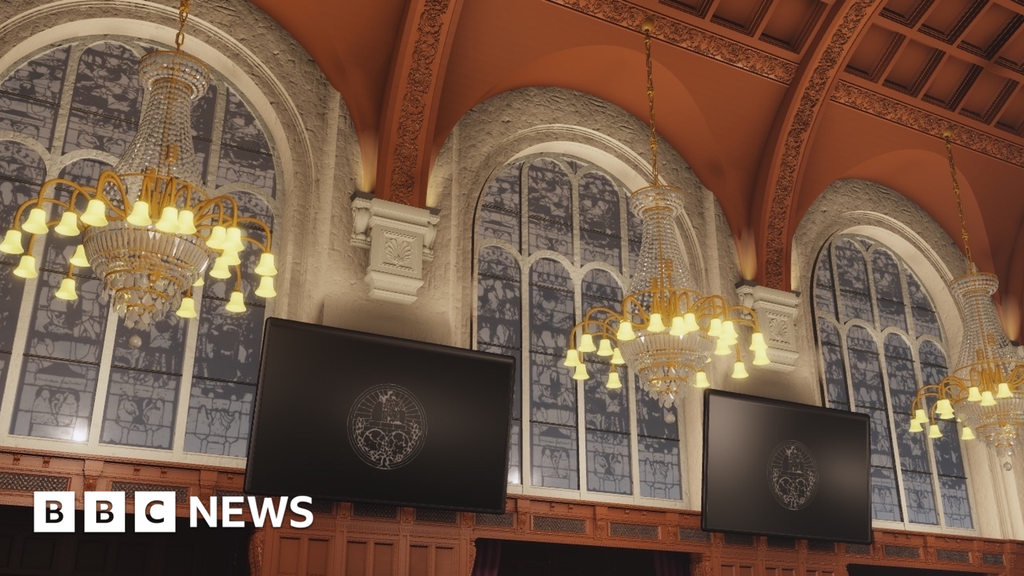
The International Court of Justice, based at the Peace Palace in The Hague, has become the focus of allegations of judicial bias within the dispute.
New Zealand’s Governor-General has publicly questioned the impartiality of justices associated with the ICJ.
In a statement, the Governor-General said remarks attributed to members of the court had raised serious concerns about judicial neutrality.
“My understanding was that the ICJ were supposed to be impartial,” the Governor-General said.
The statement suggested that the allegations could damage confidence not only in the court but also in the wider United Nations system.
New Zealand called for action to address the concerns and thanked a justice who had reportedly disclosed the alleged remarks.
The BBC has seen screenshots of online discussions in which participants express concern about Antarctica’s position and the potential outcome of a ruling.
Those exchanges alone do not establish judicial misconduct or prove that an official ICJ decision was improperly influenced.
South Sudan joins criticism
South Sudan has also raised allegations of bias involving members of the international court.
A statement attributed to an individual identifying themselves as an ICJ member criticised fellow justices over their alleged intentions when considering the Antarctica dispute.
The Cook Islands issued a brief response to the controversy, using the single word “Cooked” in a statement attributed to its foreign ministry.
The allegations have increased pressure for clarification about the conduct of those involved in the legal proceedings.
No formal independent investigation or ruling substantiating the allegations has been provided.
International calls for restraint
Iran expressed regret over the reported declaration of war, warning that military action could produce wider regional consequences.
Spain also called for an end to hostilities and offered to support international mediation where appropriate.
Andorra has proposed diplomatic dialogue as an alternative to further confrontation.
Despite the increasingly serious language used in official statements, important questions remain unanswered about the status of the conflict, the extent of any military operations and the allegations involving the ICJ.
Australia’s mediation proposal may provide an opportunity for both parties to pursue a negotiated settlement.